Everyone's done the Goa beach and the Udaipur palace. These five pre-wedding shoot locations - Spiti's cold desert, Auli's snow slopes, the Jaisalmer dunes, Diu's Portuguese coast, and Kerala's backwaters - give you frames nobody else in your circle will have. With the right month, real costs, permits, and exactly what to shoot at each.
You've seen the pre-wedding shoot in front of Taj Lake Palace. You've seen the Goa beach one with the white shirt and the messy hair. You've seen the Kashmir Dal Lake shikara shot - twice this season, maybe three times.
Tabo Monastery - over 1,000 years old, with stunning interiors (ask permission before shooting inside)
A vintage Royal Enfield against the barren landscape - a Spiti pre-wedding classic
The bridge over the Spiti River with mountains framing the couple
Chandratal Lake (the "Moon Lake") if accessible - surreal reflections at dawn
Night-sky shots - Spiti has some of the clearest skies in India for astro-photography backdrops
The pre-wedding shoot has officially saturated. Every couple is doing one. Every photographer has the same Pinterest board. And the result is that most pre-wedding shoots in 2026 look exactly like every other couple's.
The fix isn't a fancier outfit or a more expensive photographer. It's the location. These five spots give you landscapes most couples in your circle haven't shot - a high-altitude cold desert, a snow-covered ski slope, golden sand dunes, a Portuguese colonial coast, and serene Kerala backwaters. Five completely different aesthetics, five completely different moods.
For each, you'll get the best time of year, rough cost, the permits you'll actually need, what to shoot, and what to wear.
Before the locations - three things most couples get wrong
1. The location does the heavy lifting.
A breathtaking location with mediocre photography will outperform a generic location with expensive photography every single time. A barren Spiti landscape doesn't need filters. A hotel lobby does. Pick the location first; everything else follows.
2. Off-season is your friend - but only where weather allows.
Most Instagrammable spots in India are overcrowded during peak season, which means tourists in your shots and inflated costs. But for the locations below, the "off-season" sometimes means the road is literally closed (Spiti) or the desert is unbearably hot (Jaisalmer). Match the timing to the location, not just to crowd-avoidance.
3. Travel days are not shoot days.
The most exhausted, photo-unfriendly version of a couple shows up after a 10-hour mountain drive in their luggage clothes. Plan at least one full day of rest at the location before shooting - especially at high altitude. Better photos, less stress, and the photographer gets time to scout properly.
Now the five locations.
1. Spiti Valley, Himachal Pradesh
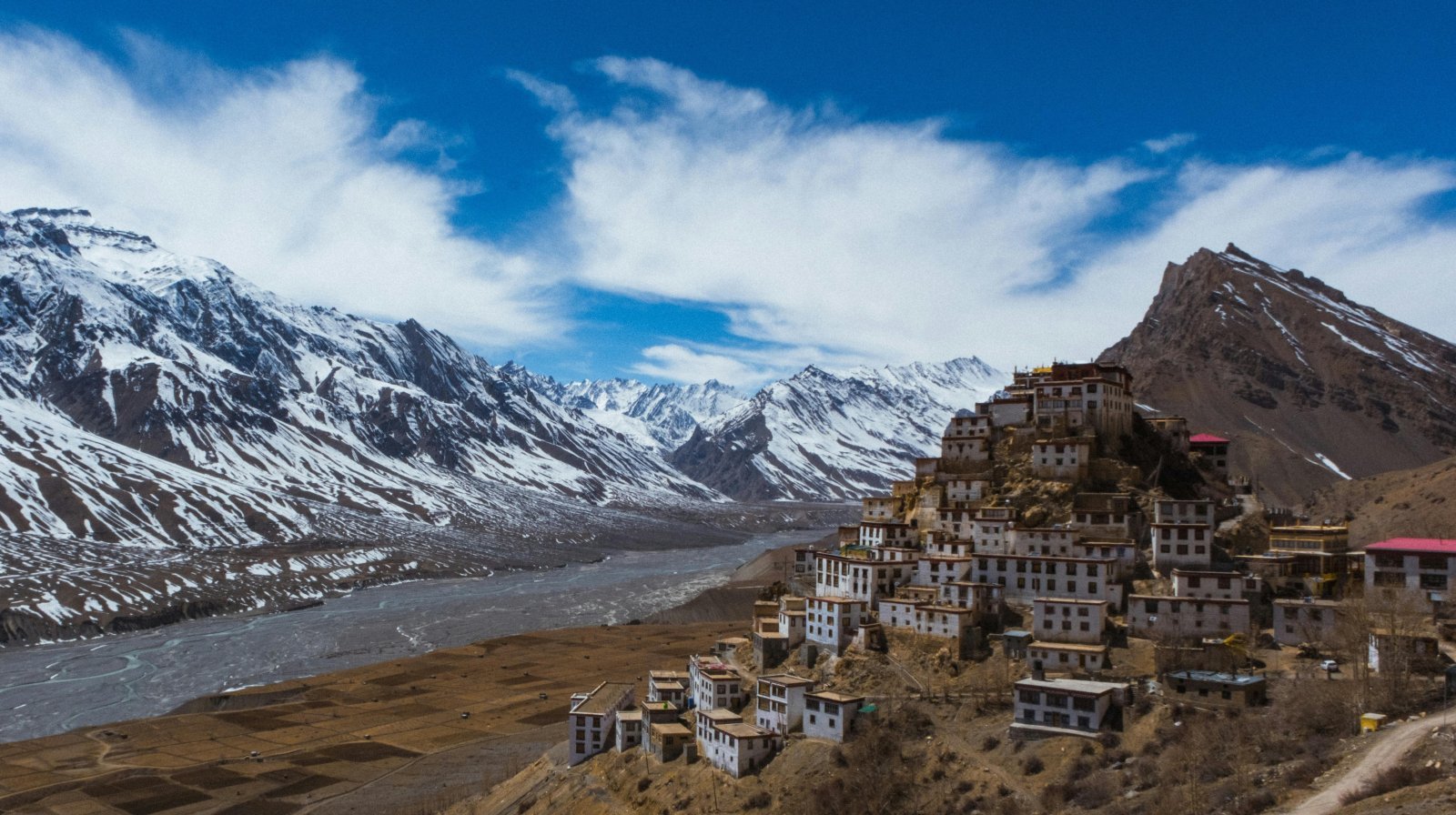
The high-altitude cold desert that almost no pre-wedding shoots have discovered yet. Endless brown moonscape landscapes, thousand-year-old monasteries perched on cliffs, winding mountain roads that disappear into the horizon, and a sky so clear at night you can shoot the Milky Way behind you.
Spiti is for couples who want their pre-wedding shoot to look like nothing anyone else has - frames that feel more Tibet than tourist-India.
- Best months: May-October. This is non-negotiable - Spiti's roads are snowed shut and inaccessible the rest of the year. June to September is the safest window.
- Total cost: ₹50,000-1.5 lakh including photographer travel, accommodation, and local transport. The cost is driven mostly by logistics, not the shoot itself.
- Permits: An Inner Line Permit is required for areas near the Indo-China border (around Kaza and beyond). It's easy to obtain - costs under ₹500, processed in a day at Kaza or online.
- What to shoot:
Tabo Monastery - over 1,000 years old, with stunning interiors (ask permission before shooting inside)
A vintage Royal Enfield against the barren landscape - a Spiti pre-wedding classic
The bridge over the Spiti River with mountains framing the couple
Chandratal Lake (the "Moon Lake") if accessible - surreal reflections at dawn
Night-sky shots - Spiti has some of the clearest skies in India for astro-photography backdrops
- What to wear: Earth tones that complement (not fight) the brown landscape - rust, mustard, olive, deep red. Layered woolens and traditional Himachali shawls work beautifully. It's cold even in summer, so plan outfits that look intentional over warm layers.
- Important: Spiti sits at 3,800-4,500m altitude. Altitude sickness is real. Arrive two days early to acclimatize before any physically demanding shoot. Carry medication and consult a doctor if either of you has heart or respiratory conditions.
2. Auli, Uttarakhand
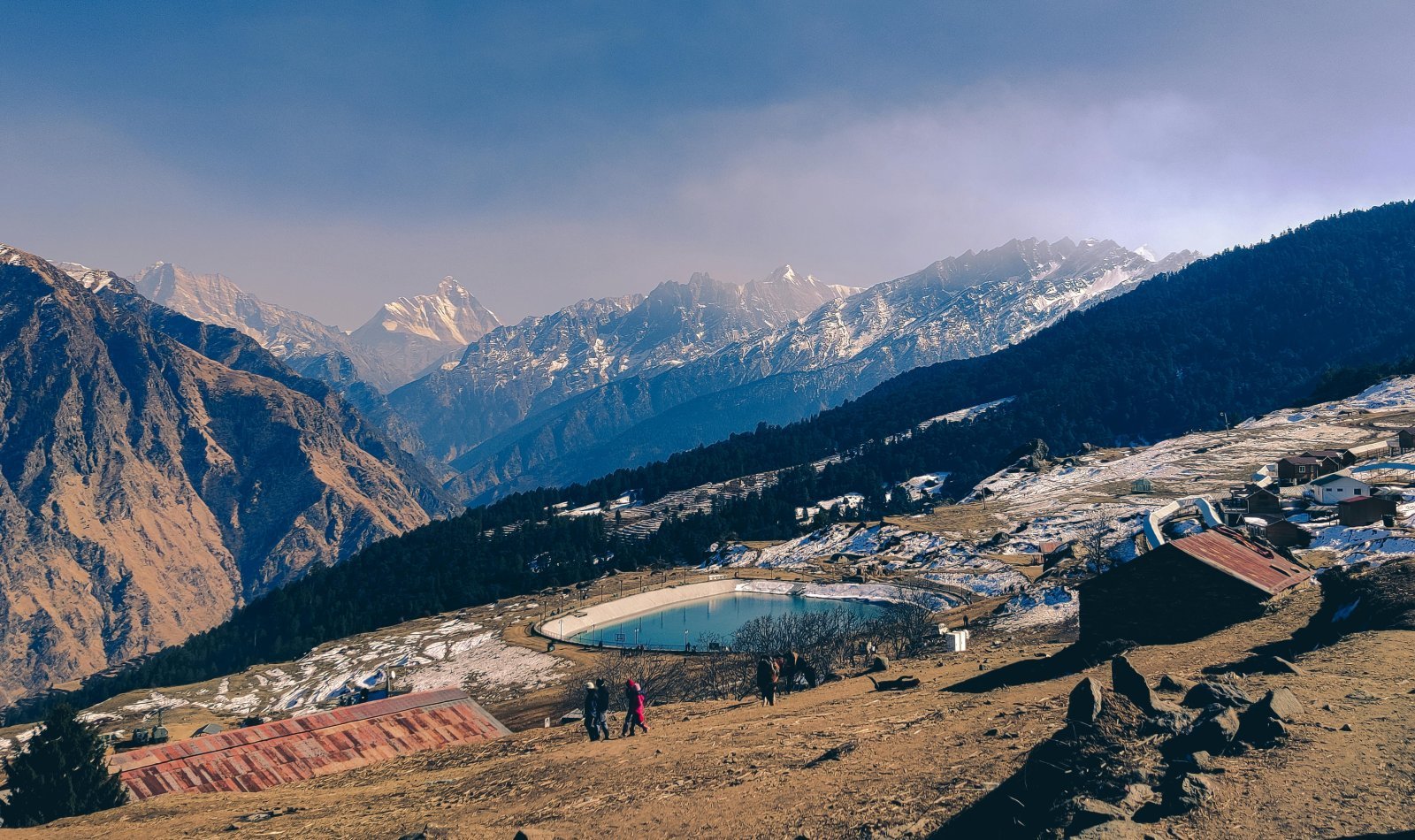
India's underrated ski destination becomes a genuine fairytale pre-wedding location in winter. Snow-covered slopes stretching to the horizon, oak and conifer forests, panoramic views of Himalayan giants (Nanda Devi, Kamet, Mana Parbat), and one of Asia's longest cable car rides for dramatic aerial frames.
If you want snow without leaving India - and without the Gulmarg crowds - Auli is the answer.
- Best months: December-March for full snow cover; April-June for green alpine meadows with clearer peak views. The snow window gives you the postcard winter-wonderland shots; the summer window gives you wildflower meadows.
- Total cost: ₹35,000-80,000 for shoot logistics, including photographer travel and local stay.
- Permits: None required - standard tourist access. The cable car (ropeway) from Joshimath has its own ticket cost.
- What to shoot:
Snow-trail walking shots with the couple framed against untouched white slopes
Cable car portraits - the ropeway offers sweeping aerial backdrops
Meadow scenes with Nanda Devi (India's second-highest peak) in the background
The iconic Nanda Devi sunrise frame - early morning light hitting the peaks
Artificial lake (Auli Lake) reflections when not frozen
Candid snow-play moments - these often become the most loved, least posed shots
- What to wear: Bold colors that pop against the white snow - deep red, royal blue, mustard, emerald. Avoid white and pale colors that disappear into the snow. Coordinate warm outerwear that photographs as intentional styling, not survival gear.
- Important: December-March is genuinely cold (sub-zero). Plan short outdoor segments with warm-up breaks. Roads to Joshimath/Auli can be affected by snow - keep a buffer day for travel delays.
3. Sam Sand Dunes, Jaisalmer, Rajasthan
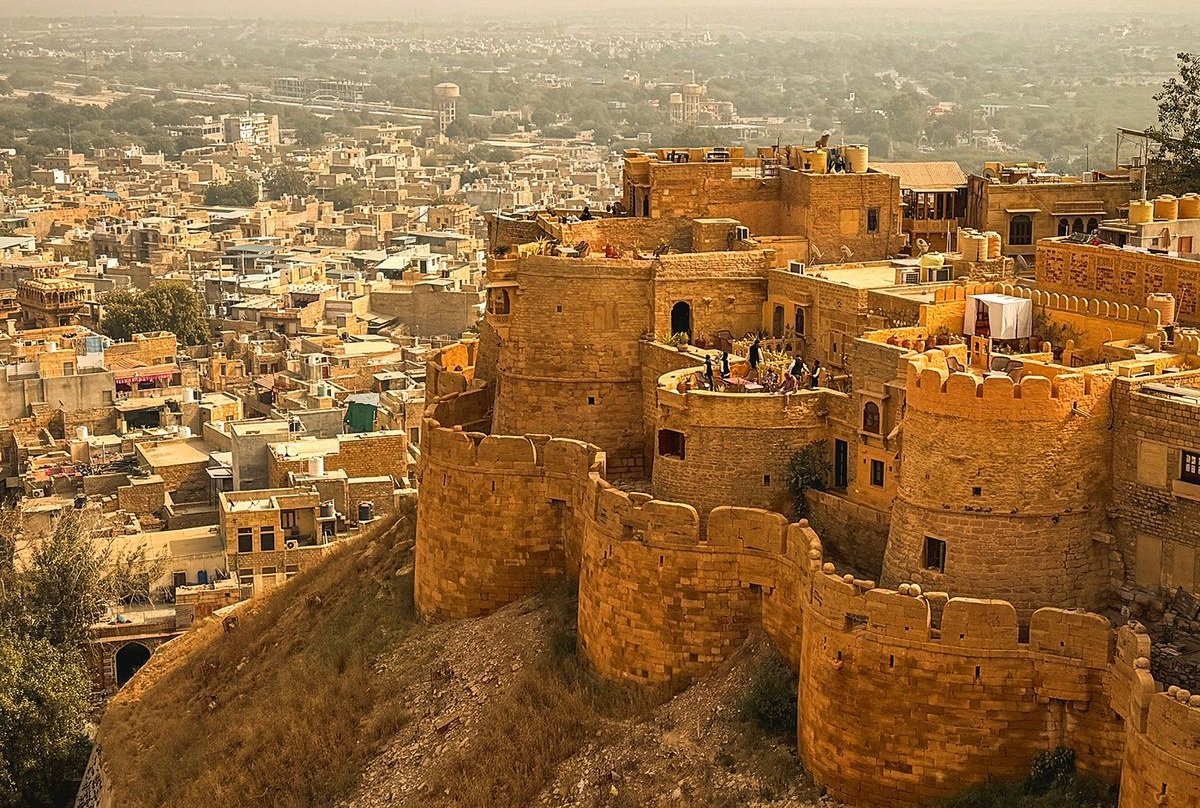
Beyond the obvious Jaisalmer Fort shots, the actual Thar desert is where the real magic happens. Endless golden sand rippling to the horizon, camel caravans silhouetted at sunset, traditional Rajasthani folk performers, and a quality of golden light that simply doesn't exist anywhere else in India.
This is the warmest, most colour-rich option on this list - a complete tonal opposite to the cold mountains.
- Best months: November-February. The desert is brutally hot the rest of the year (45°C+), making any other window genuinely uncomfortable and bad for the couple's energy and styling.
- Total cost: ₹40,000-1 lakh including desert camp accommodation, camel/jeep arrangements, and photographer logistics.
- Permits: None required for standard tourist photography. Extensive commercial drone use may need local permission - check with your camp operator.
- What to shoot:
Dune-walking silhouettes at golden hour - the signature Jaisalmer desert shot
Camel caravan portraits with the couple, especially at sunset
Traditional Rajasthani folk music and dance setups (most desert camps arrange Kalbeliya dancers and Manganiyar musicians)
The couple against pure unbroken sand with long shadows in late-afternoon light
Desert camp dinner scenes - bonfire, traditional setup, warm evening light
Jaisalmer Fort (the "Golden Fort") at dusk if you want one heritage frame
- What to wear: This is where Rajasthani textiles shine - bandhej, leheriya, mirror-work lehengas, bright turbans. The vivid colors pop spectacularly against the muted gold of the sand. Don't go subtle here; the desert rewards drama.
- Important: Shoot at golden hour (the hour after sunrise and before sunset). Midday desert light is harsh and flattening, and the heat is exhausting even in winter. Carry water and sun protection.
4. Diu (Daman & Diu)
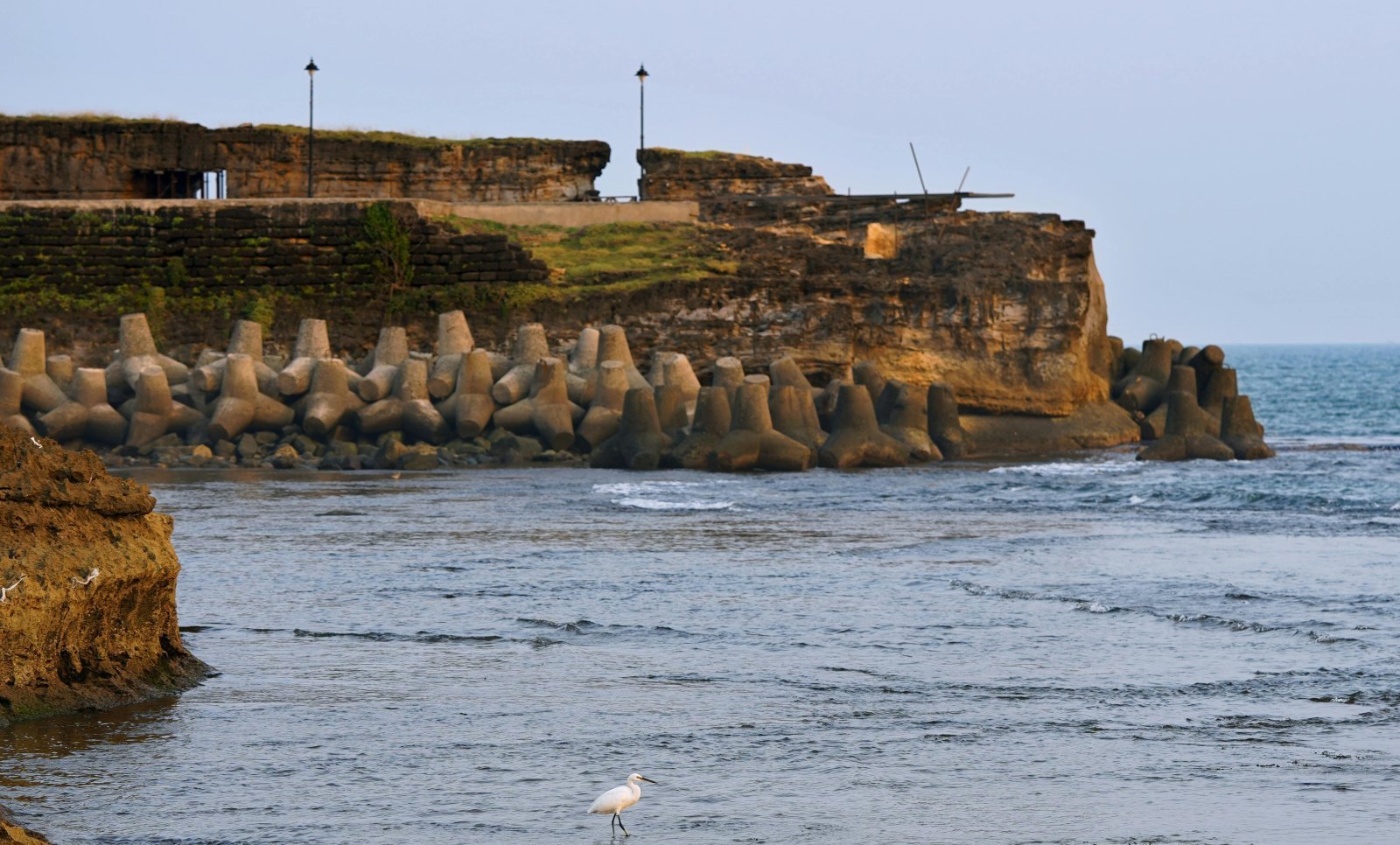
A former Portuguese colony that feels like a slice of Europe dropped onto the Indian coast. Yellow-and-white colonial architecture, an old sea fort, quiet beaches, cobbled streets, and churches that look nothing like anywhere else in Gujarat or the West coast.
Diu is the wildcard on this list - and its biggest advantage is that almost no one thinks to shoot here, so your frames will be genuinely unique.
- Best months: November-February for the most pleasant coastal weather.
- Total cost: ₹25,000-60,000 - one of the more affordable options here, thanks to lower travel and accommodation costs.
- Permits: Most street and beach photography is free. Some heritage sites (Diu Fort, certain churches) may charge small photography fees - confirm locally.
- What to shoot:
Diu Fort with the Arabian Sea as backdrop - colonial stone against blue water
Narrow colonial streets with yellow-washed Portuguese buildings
St. Paul's Church and other colonial churches at golden hour
Nagoa Beach - the palm-fringed crescent beach for relaxed coastal frames
The Naida Caves - dramatic natural rock formations with light streaming through
Sunset shots along the seafront promenade
- What to wear: Light, breezy coastal styling - whites, soft pastels, flowing fabrics for the beach segments. For the colonial-street frames, an Indo-Western fusion (smart casual, soft European palette) suits the architecture beautifully.
- Why it's underrated: Going where nobody else goes is itself a competitive advantage. While everyone fights for the same Goa beach spots, you'll have entire Portuguese streetscapes to yourselves.
5. Kumarakom, Kerala
Backwater serenity without the Alleppey crowds. Houseboats drifting on still water, palm-fringed canals, dawn mist rising off the lake, traditional Kerala architecture, and a green so lush it photographs like a different country.
Kumarakom is the calmest, most romantic option on this list - ideal for couples who want softness and serenity over drama.
- Best months: September-March. Avoid peak monsoon (June-August) unless you specifically want moody rain shots with a backup plan.
- Total cost: ₹50,000-1.2 lakh, with houseboat (kettuvallam) rental being the main cost driver.
- Permits: None required for standard tourist photography on the backwaters.
- What to shoot:
Houseboat exteriors at sunrise, the couple on the deck with mist on the water
Dawn-mist portraits - the early-morning fog over the backwaters is magical and brief, so plan for it
Traditional cooking or chai moments on the houseboat - candid, intimate frames
Palm-fringed canal portraits from a small canoe (vallam)
Vembanad Lake at golden hour - wide, reflective, serene
The Kumarakom Bird Sanctuary's green edges for lush natural backdrops
- What to wear: Kerala's traditional kasavu saree (off-white with a gold border) is stunning against the green-and-blue backwaters - it's the signature Kerala bridal look. Keep jewelry simple. Avoid heavy lehengas; movement on a boat is awkward in elaborate outfits. For the groom, a mundu with a kurta nails the regional aesthetic.
- Important: The best light is at dawn - plan an early start. Backwater mornings are humid; brief your makeup artist on humidity-resistant looks.
How to choose between these five
They're five completely different moods. Pick based on three things:
1. What mood do you want your photos to carry?
- Spiti - adventurous, otherworldly, "we went somewhere wild together"
- Auli - fairytale, romantic, winter-wonderland softness
- Jaisalmer - regal, vibrant, dramatic, full of colour and culture
- Diu - relaxed, European, unexpected, quietly stylish
- Kumarakom - serene, intimate, soft, deeply romantic
2. What's your budget honestly?
Diu (₹25,000-60,000) is the most accessible. Spiti and Kumarakom sit at the higher end (₹50,000-1.5 lakh) because of travel logistics. Be honest: if a location costs ₹1 lakh in logistics, you need a total budget of ₹2-3 lakh to do it well. An underfunded Spiti shoot - rushed, exhausted, undershot - is worse than a properly planned Diu one.
3. Can you handle the physical demands?
Spiti (high altitude) and Auli (cold, snow) are physically demanding. Jaisalmer involves desert heat even in winter. Diu and Kumarakom are the gentlest, most comfortable options. Factor in your own fitness, and any health considerations, honestly.
Where to find the right photographer
Pre-wedding shoot photography is a specific skill - different from wedding-day photography. For these destinations in particular, look for:
- A portfolio with similar terrain (a photographer brilliant at urban shoots may struggle with high-altitude landscape light)
- Proven experience with travel logistics (6 AM mountain light, desert golden hour, dawn backwater mist all demand a photographer who plans around natural light)
- Willingness to give pre-shoot guidance on outfits, props, timing, and framing
- Clarity on deliverables - final photo count, edit style, turnaround time
Browse photographers on Eventam by city, filter by pre-wedding shoot experience, and review full portfolios - not just curated reels. Many also produce cinematic pre-wedding films; cinematographers often deliver the strongest video for shoots that'll become wedding-day reception reels.
If your shoot is at a destination, consider hiring a local makeup artist at the location rather than flying one in - it saves significant cost without quality loss, and locals often understand the location's light and humidity intuitively.
Common pre-wedding shoot mistakes
- Overpacking outfits. Two to three outfit changes is the sweet spot. Five outfits leads to exhausted couples and rushed photos - especially at physically demanding locations.
- Underestimating golden hour. The hour after sunrise and before sunset is when 70% of your best photos happen. Plan the day around the light, not around your travel schedule.
- Treating the photographer as a vendor instead of a partner. The best shoots happen when couples brief the photographer on their relationship - how they met, inside jokes, their wedding theme. Photographers who know the story shoot differently.
- Ignoring altitude and weather. Spiti and Auli punish couples who don't plan for cold and altitude. Build buffer days. Carry the right gear. Don't schedule a demanding shoot on arrival day.
- Choosing the location to impress others. The shoots that age well are the ones that meant something to the couple. Locations chosen purely for Instagram always feel slightly off in the final images.
One last thing
The best pre-wedding shoot isn't about the most expensive location - it's about the version of yourselves you'll recognize twenty years from now.
If Spiti's wild emptiness feels like your relationship, go there. If Kumarakom's quiet serenity is more you, drift down the backwaters instead. If you're the couple who'd rather laugh in colourful chaos, the Jaisalmer dunes at sunset will give you frames you'll never stop loving.
Pick the location that lets the real two of you show up - not the version you think you're supposed to perform. The light will find you. It always does.