The bride's college friends doing "Kala Chashma" for the seventh time this wedding season has earned everyone the right to be picky. Twelve sangeet performance ideas that are actually fresh - plus the structure, song picks, and small touches that make a sangeet memorable.
There comes a point in every wedding season where you've watched "Kala Chashma" performed five times, by five different cousin groups, with the same choreography from the same YouTube tutorial. Everyone smiles politely. Nobody is fooled.
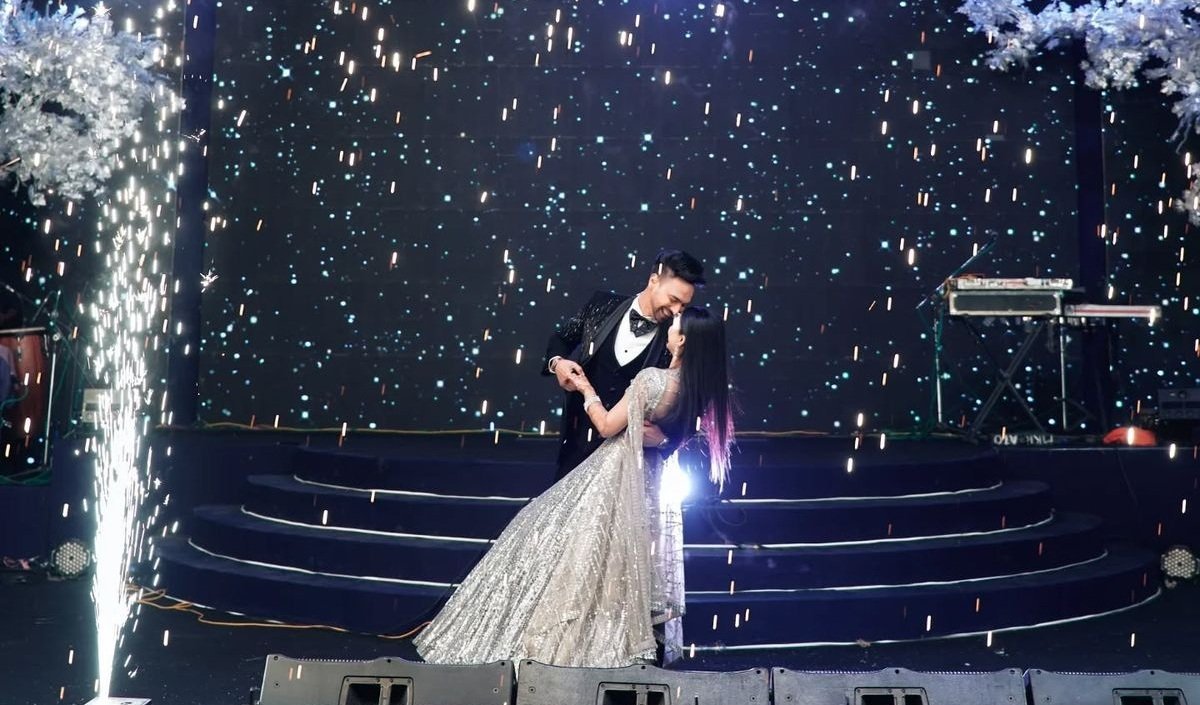
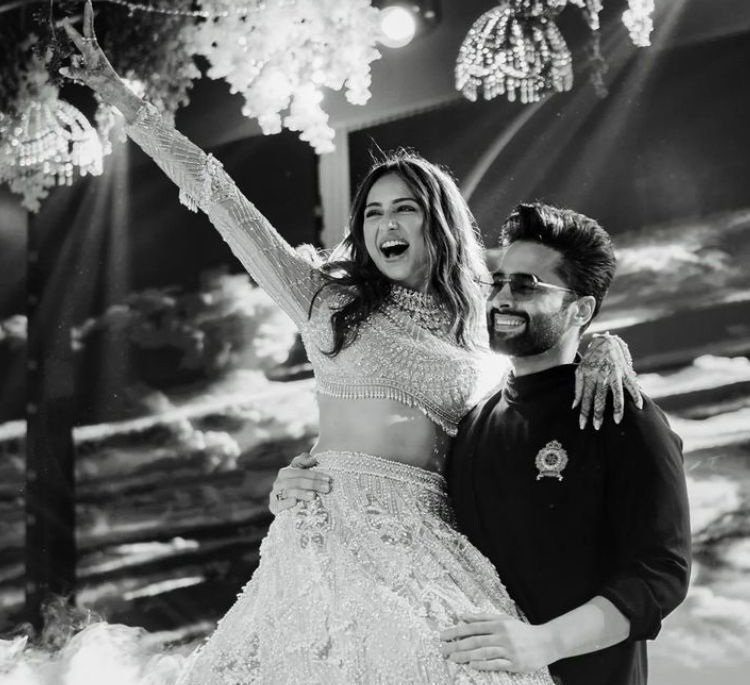
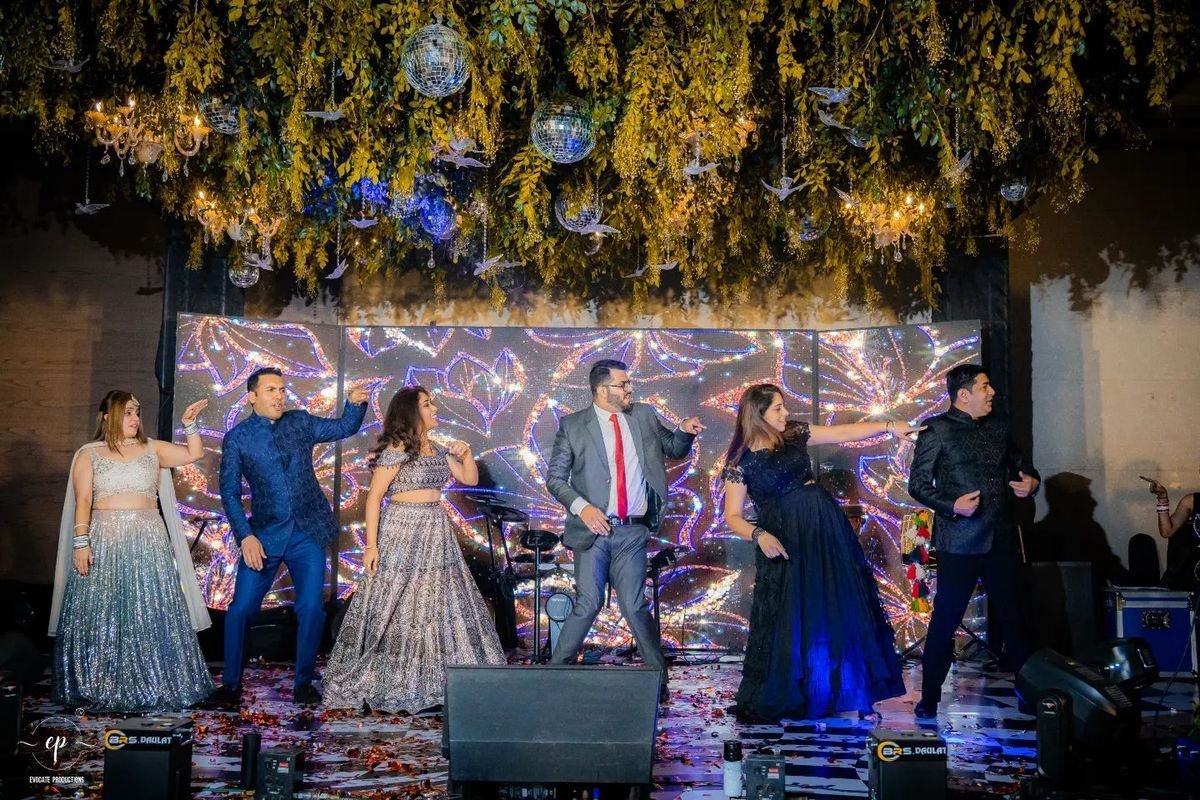
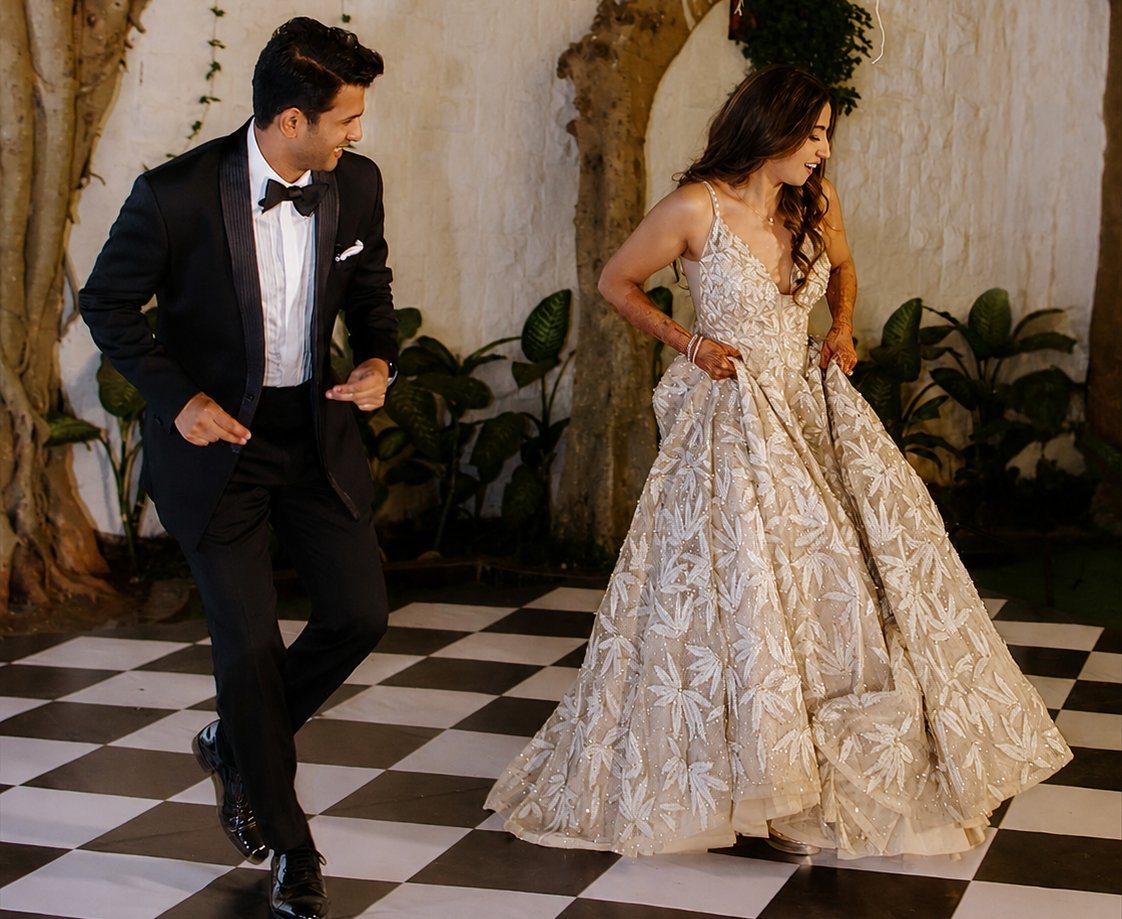
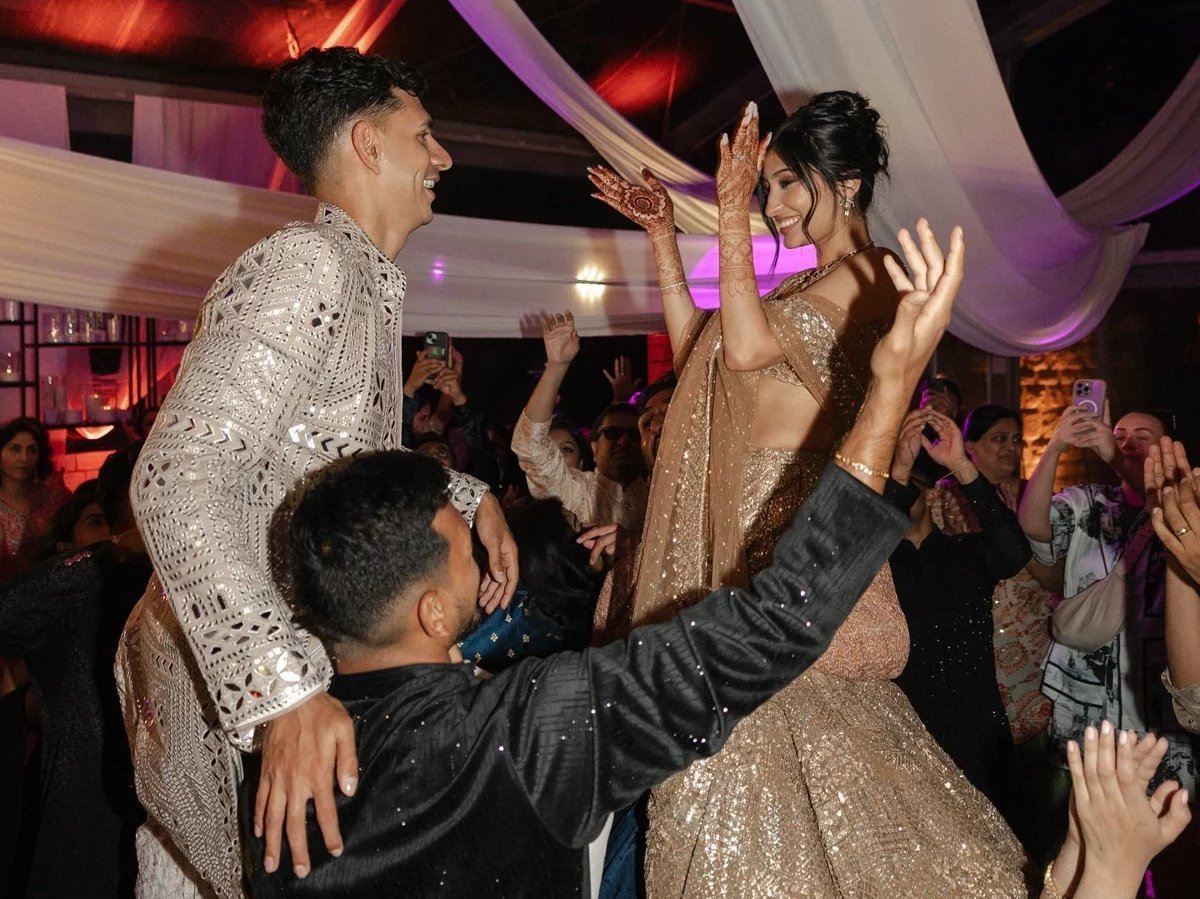
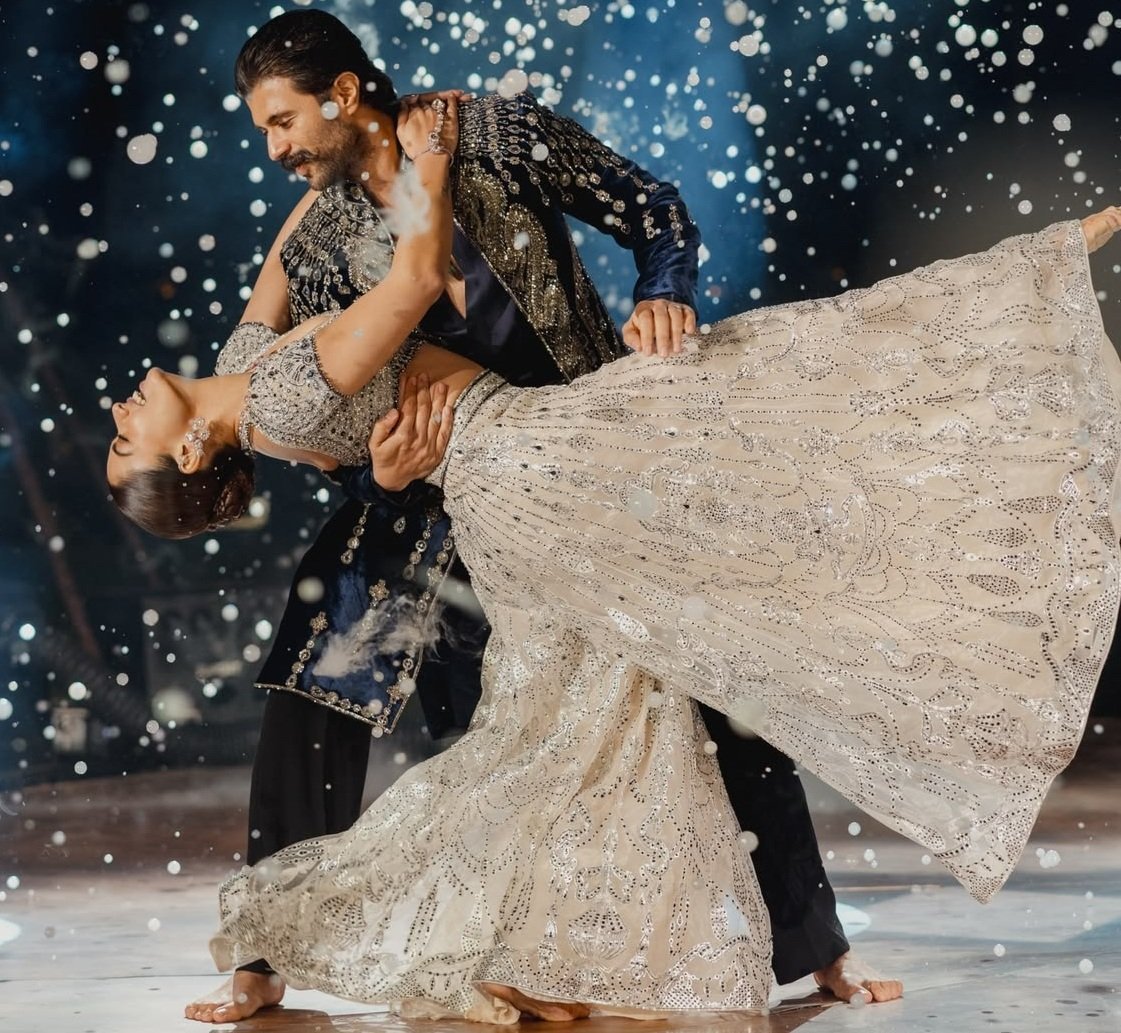
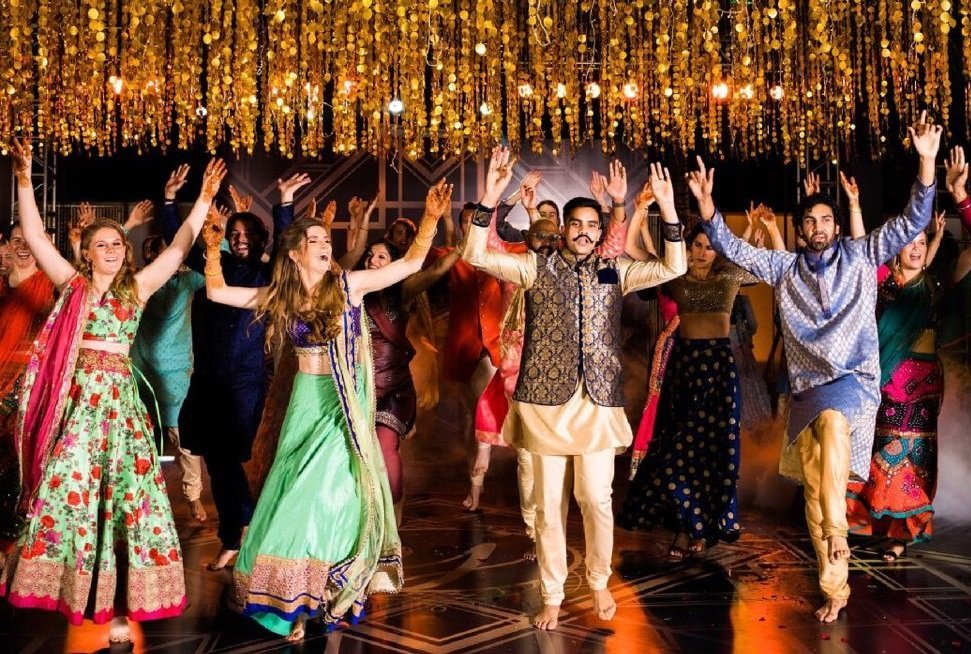
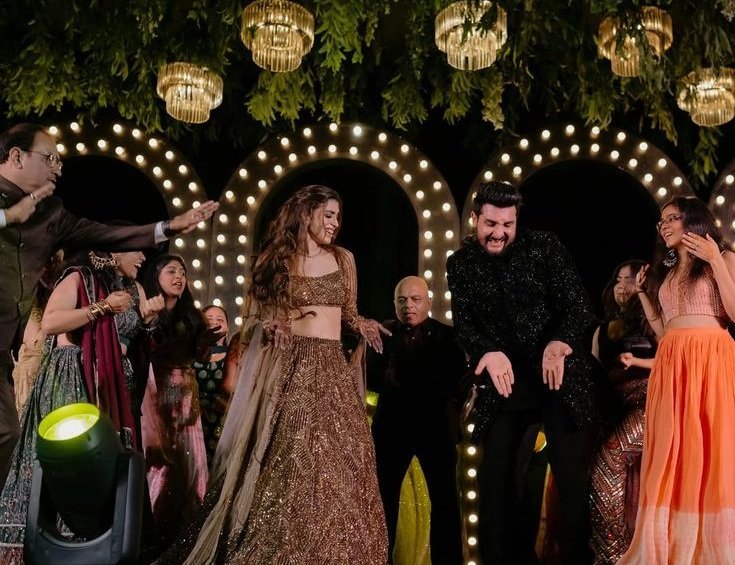
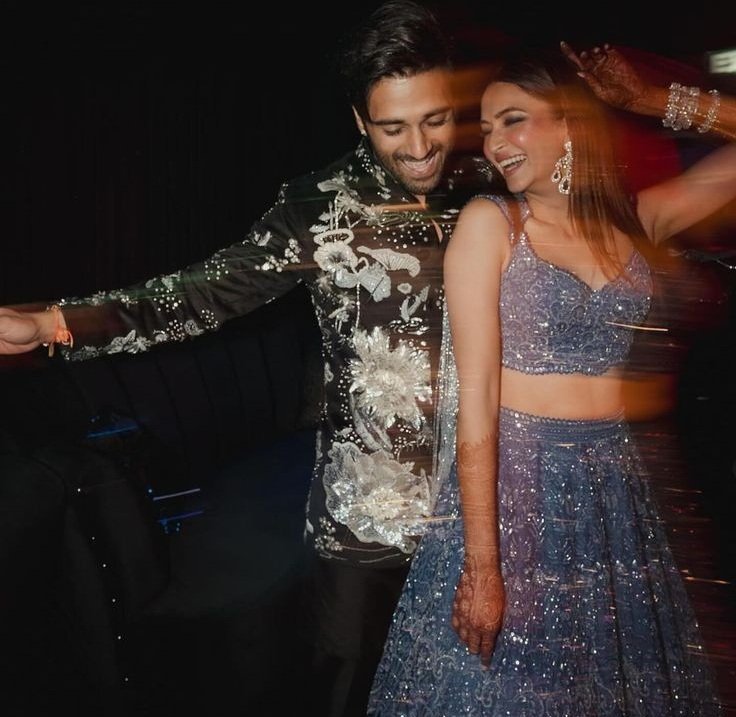
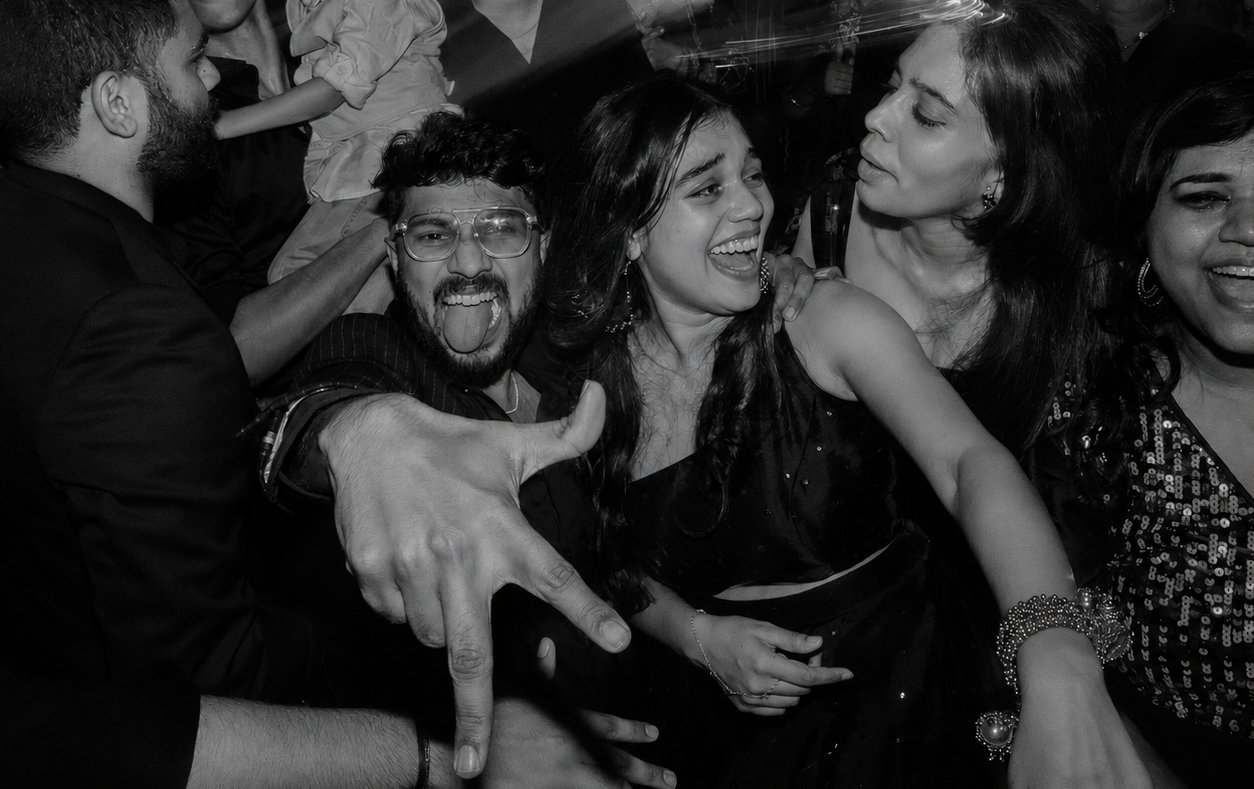
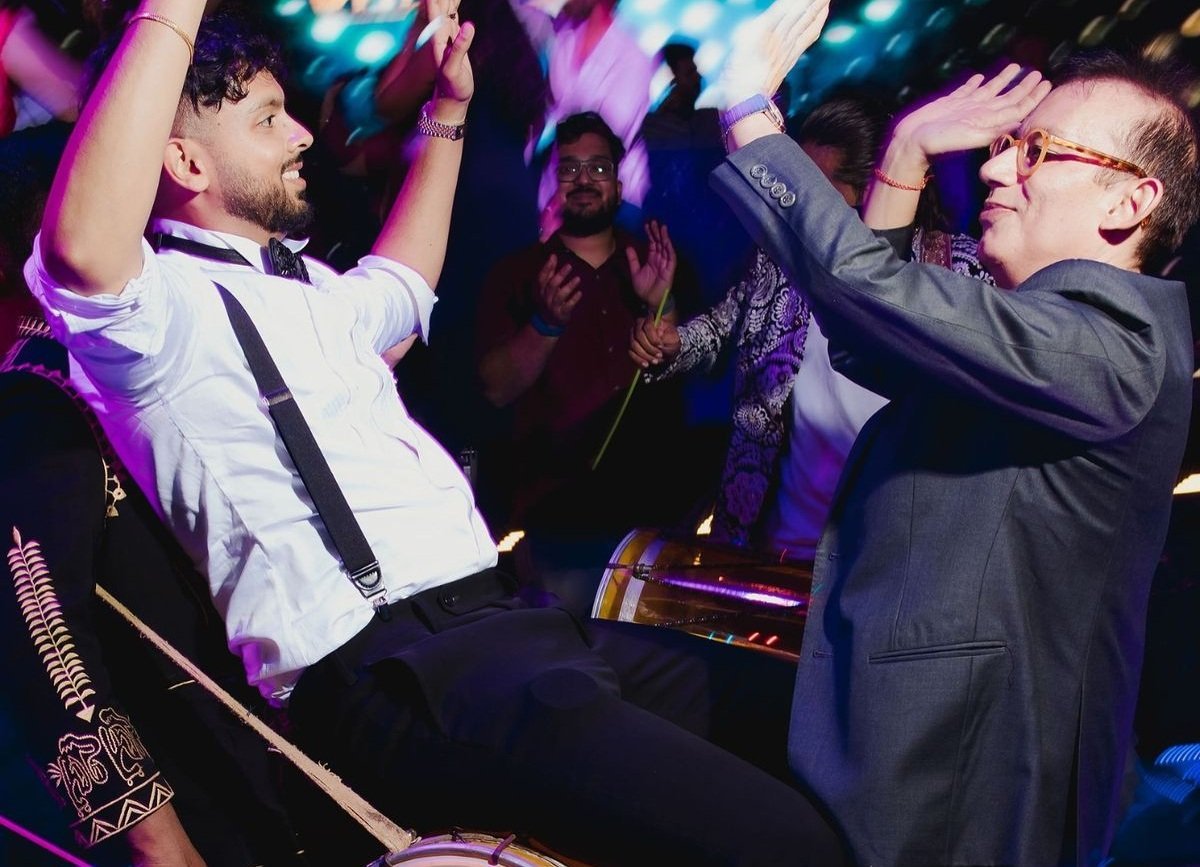
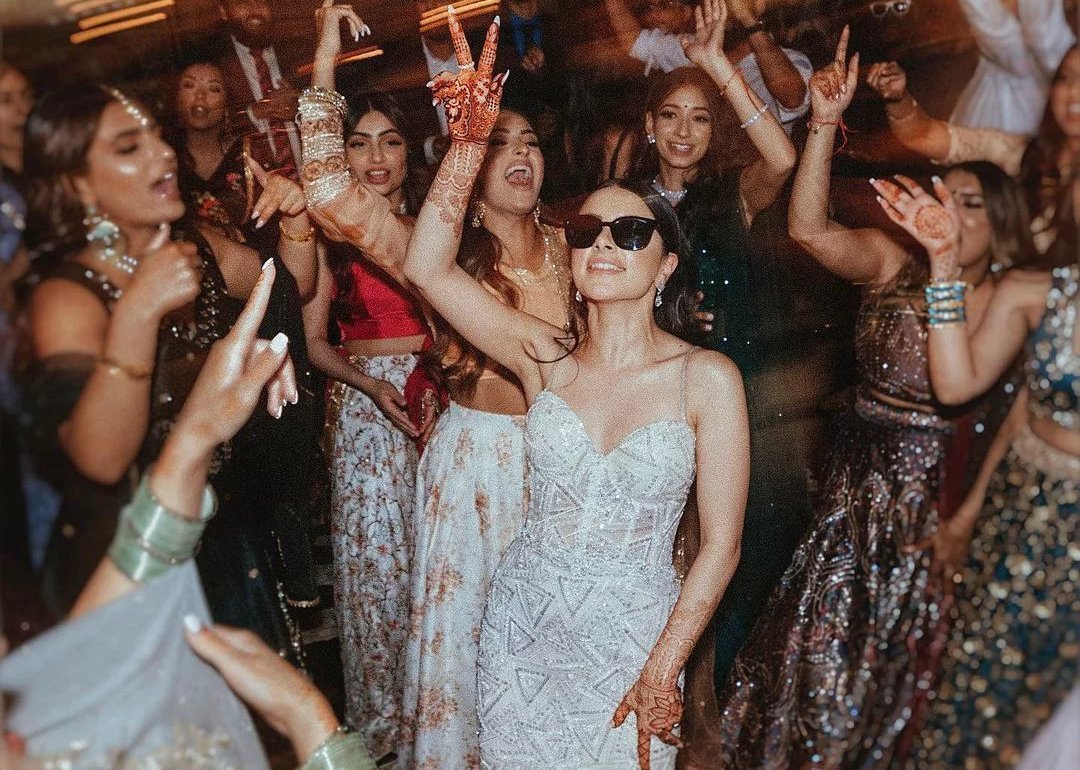
The sangeet has quietly become the most over-performed and under-thought function of an Indian wedding. Everyone spends weeks rehearsing. Half the routines look identical. The bride's grandmother falls asleep by 10:30.
Here are 12 sangeet performance ideas that don't feel recycled - plus the structure, song selection logic, and small staging tricks that separate a sangeet you remember from a sangeet you survived.
First, fix the structure (most sangeets fail here)
Before performance ideas, the bigger problem: most sangeets are structured wrong.
The default order - bride's family performs, groom's family performs, friends perform, couple performs - is predictable and exhausting. By the time the bride and groom take the floor, half the guests are eating dessert and the other half are checking phones.
A better structure:
1. Open with a banger from the couple (5-7 minutes). This sets energy. It also gets the most awkward performance out of the way first while everyone's attention is fresh.
2. Alternate sides (don't block all bride's-side and then all groom's-side). Mix the order. It builds suspense and keeps both families engaged.
3. Cap each performance at 3-4 minutes. Longer than this and you lose the audience. A 9-minute extended Bollywood medley by your cousins is a chore for everyone watching.
4. Plant the showstopper at 70% of the way through. Not at the end. The end should be a group finale where everyone dances together, not another solo performance nobody asked for.
5. Total sangeet performances: 60-90 minutes max. Then DJ takes over. Anything longer turns into a school annual day.
Now to the themes themselves.
1. "Then & Now" - the relationship timeline
The bride and groom (or their best friends) perform a medley that traces the couple's relationship through songs. First meeting song, first fight song, first vacation song, proposal song, current song.
Why it works: It's deeply personal. Guests who know the couple recognize the references. The ones who don't, get a story.
Time required: 4-5 minutes
Song count: 4-5 short snippets, smoothly mixed
Best for: Couples comfortable being the center of attention
2. The Roast Performance
A group of close friends or siblings perform what looks like a tribute, then halfway through it pivots into a full roast - exposing embarrassing moments, college nicknames, terrible early relationship decisions.
Why it works: Roast humor works on stage when the love behind it is obvious. The performance becomes a comedy set with songs as anchors.
Time required: 4-6 minutes
Format: Choose songs whose lyrics ironically match the embarrassment (e.g., a song about heartbreak for the year they almost broke up)
Best for: Tight-knit friend groups, brides/grooms with a sense of humor
3. Parents Doing Songs from Their Wedding Era
The parents of the bride and groom perform a medley of songs from the 70s, 80s, or 90s - the songs that were popular when they got married.
Why it works: Nostalgic, sweet, and the entire older generation in the room emotionally checks back in. Photos of this performance often outperform all others on family WhatsApp groups.
Time required: 3-4 minutes
Song picks: "Tum Pas Aaye," "Yeh Sham Mastani," "Chura Liya Hai Tumne," "Pyar Hua Iqrar Hua," "Lag Ja Gale"
Best for: Every wedding. Seriously, every wedding should have one parent performance.
4. The "Reverse" Sangeet
The couple performs a routine for their parents instead of the parents performing for them. Songs that thank parents, acknowledge sacrifices, and end with the couple bringing parents on stage.
Why it works: Switches the emotional dynamic. Most weddings have parents in the audience role; this gives them a spotlight moment.
Time required: 4-5 minutes
Song picks: "Tujhe Kitna Chahne Lage," "Papa Mere Papa," "Lukka Chuppi," "Ae Watan"
Best for: Couples close to their parents, smaller intimate sangeets
5. The Decade-Hop Medley
A group performance that hops through one song from each decade - 60s, 70s, 80s, 90s, 2000s, 2010s, 2020s. Costume changes (or partial costume pieces) at each transition.
Why it works: Every guest finds at least one decade that's "theirs." Visual variety prevents boredom. Choreography stays simple because the format does the heavy lifting.
Time required: 6-7 minutes (the one exception to the 4-minute rule)
Song count: 7 songs, 50 seconds each
Best for: Group performances with 6-12 people, mixed age groups
6. The Hometown Special
Performances built around the regional, cultural, or city identity of the bride or groom. Bengali couple? A Rabindra Sangeet number followed by a high-energy Durga Puja dhunuchi-style dance. Punjabi groom marrying a South Indian bride? A bhangra-Bharatanatyam fusion.
Why it works: Most modern Indian weddings are inter-regional or inter-cultural. Leaning into both heritages, instead of defaulting to generic Bollywood, makes the sangeet specific to this wedding.
Time required: 4-5 minutes per cultural piece
Song picks: Vary entirely by region - work with a choreographer who understands the cultural specifics
Best for: Inter-cultural couples, families proud of their regional roots
7. The Cousins-Only Mashup
Just cousins. No parents, no friends, no in-laws. A long-form mashup performance designed to be chaotic, slightly off-rhythm, and full of inside jokes.
Why it works: Cousin sangeet performances are usually the most fun to watch precisely because they don't try to be polished. Lean into the chaos. Plan the costume coordination, not the choreography.
Time required: 5-6 minutes
Format: 1 minute per cousin where they "lead" a song they picked, then everyone joins in
Best for: Big extended families, joint family weddings
8. The Storytelling Performance
A single song picked for its lyrics, performed as a literal acting-out of the story. Not a dance routine - a performance piece with movement, props, and characters.
Why it works: Stands out because it's not what people expect at a sangeet. Often becomes the most-talked-about performance of the night.
Time required: 4-5 minutes
Song picks: "Channa Mereya," "Tum Hi Ho," "Tujh Mein Rab Dikhta Hai" - songs with clear narrative arcs
Best for: Performers comfortable with theater more than dance
9. The Surprise Flash Mob
A choreographed flash mob that breaks out during what looks like a regular sangeet moment - perhaps during a meal, during another performance, or as guests are being seated. Friends and family planted throughout the room slowly join.
Why it works: The element of surprise is the entire point. Done well, it's the moment guests pull out phones and start recording.
Time required: 3-4 minutes once it starts
Format: Need 8-15 participants planted across the venue, all with the same simple choreography
Best for: Couples who've never seen this done at any wedding they've been to (so check first; flash mobs lose impact if guests recognize the format immediately)
10. The "Outsider's Perspective"
A performance by a non-family friend or in-law that pretends to be an outsider observation of the bride or groom's family - what it's like to be marrying into this chaos.
Why it works: It's roast-adjacent but softer. The new in-law performing this earns immediate goodwill from both families.
Time required: 4 minutes
Format: Comedy sketch with 2-3 song breaks for emphasis
Best for: Couples where one partner's family is particularly large or particularly distinct in personality
11. The Mixed Performance with Live Musicians
Instead of a pure dance routine, blend recorded music with one live element - a sitar, tabla, dholak, harmonium, or live vocalist. The performers dance to a routine that periodically transitions into a live music moment.
Why it works: Live music elevates everything around it. Even a simple performance feels premium with one acoustic instrument anchoring it.
Time required: 4-6 minutes
Cost note: Adds ₹15,000-50,000 to the performance, but worth it
Best for: Couples who appreciate music more than choreography
12. The Closing Group Performance
The final performance of the night should always be a group piece where everyone - bride, groom, both families, friends - is on stage together. Simple choreography. One iconic song. Photos of this end up framed.
Why it works: It closes the sangeet on a unified note, gets everyone on the dance floor for the DJ section, and produces the single best group photo of the entire wedding.
Time required: 3-4 minutes
Song picks: "Aaj Mere Yaar Ki Shaadi Hai," "London Thumakda," "Mehndi Hai Rachne Wali," "Kar Gayi Chull"
Best for: Every sangeet should end this way. No exceptions.
Song selection rules nobody talks about
The reason most sangeet performances feel recycled is poor song selection. A few rules:
- Avoid the over-performed top 10. "Kala Chashma," "Galla Goodiyaan," "Cutiepie," "London Thumakda," "Saturday Saturday" - these have been performed at literally every wedding in the past four years. Either find a less obvious song, or use them only for the group finale.
- Pick songs your audience knows but doesn't expect. A 1990s underground Bollywood hit lands harder than another performance of the same 2022 chart-topper.
- Match the song's energy to the performer's actual energy. If your dadi is doing a sangeet performance, "Naatu Naatu" is going to look painful. A graceful "Lag Ja Gale" lets her shine. Match the song to the dancer.
- Lyrics matter more than tempo. A song with meaningful lyrics about love, family, or marriage will land emotionally even with simple choreography. A high-energy banger with empty lyrics needs incredible dancing to work.
- Mix tempos through the night. Don't put three slow songs in a row. Don't put six high-energy songs back to back. Build a sangeet like a DJ builds a set - peaks and valleys.
The small details that make a sangeet legendary
- Stage lighting. Most sangeet performances are killed by bad lighting. Bright stage lighting flattens everything. Get a lighting team that does spot lighting, color washes, and follow spots. Cost: ₹40,000-2 lakh extra, completely worth it. We covered cost ranges across all entertainment in the Indian wedding budget breakdown.
- A dedicated emcee or anchor. Not just to introduce performances - to keep energy up, fill awkward gaps, and steer the audience's attention. A professional anchor changes a sangeet more than any single performance.
- Performance order printed and shared with key people. Photographer, DJ, lighting team, and emcee should all have the running order in writing. Otherwise you'll get the song wrong, the lighting cue late, and the photographer missing the entry shot.
- Sound check, the day before. Most sangeet disasters are sound problems - mics that pop, songs that play at half volume, transitions that crackle. Sound check the day before. Yes, all of them.
- A surprise element you don't tell the couple about. Friends or family arranging one performance the bride and groom don't know is coming. Sometimes a video tribute, sometimes a surprise guest performer, sometimes a song the couple's parents secretly rehearsed. This single element often becomes the most-remembered moment of the wedding.
Working with a choreographer (and when you should)
Most family sangeet performances are choreographed by a cousin who watched the YouTube tutorial twice. That's why they all look the same.
For three performances or more, a professional choreographer is worth the investment:
One-off performance choreography: ₹15,000-50,000 depending on group size and complexity
Full sangeet package (3-5 performances): ₹50,000-2 lakh
Celebrity-tier choreographers: ₹3-15 lakh
What you get for the cost: original choreography (not the version everyone's seen), proper stage spacing, lifts and formations that look impressive without being unsafe, and a dance captain who runs rehearsals so you don't have to.
Browse choreographers and entertainment vendors by city and budget. Look at their actual sangeet footage, not their styled reels.
Common sangeet mistakes that ruin good performances
- Too many performances. A sangeet with 14 performances is a chore. Eight to ten is the sweet spot.
- Performances that started rehearsing two weeks before. Most family performances are underrehearsed. Either commit to proper rehearsals (4-6 sessions minimum) or pick simpler choreography.
- Costume disasters. Coordinating without standardizing. The bride's friends all wearing "shades of green" with no agreed shade results in clashing photos. Pick exact colors and fabrics.
- Stage too small or too large. A 4-person dance on a 30-foot stage looks lost. A 15-person group on an 8-foot stage looks chaotic. Match stage size to performance scale.
- No rehearsal at the actual venue. Performances that look great in the living room look entirely different on a real stage with real lighting and a real audience. Get one rehearsal at the venue.
- The couple dancing at the end when they're exhausted. Schedule the couple's main performance third or fourth, not last. By the end, they're tired and emotional, and the performance suffers.
How to actually pull this off
The right sequence:
- 2-3 months before: Decide which families and friend groups will perform. Get a written commitment from each (people drop out otherwise).
- 2 months before: Pick the songs and overall sangeet structure. Share with the choreographer.
- 6-8 weeks before: Begin choreography sessions. Two to three sessions per performance.
- 4 weeks before: Costume coordination locked. Order outfits with two weeks of buffer.
- 2 weeks before: Full sangeet rehearsal with everyone together. Recording video helps performers self-correct.
- 1 week before: Final rehearsal at the actual venue if possible. Sound check.
- Day of: Run order printed. Emcee briefed. Photographer briefed. Relax.
The single biggest predictor of a good sangeet isn't talent - it's preparation. Eight okay-dancers who've rehearsed six times will outperform eight great dancers who've rehearsed twice.
Where to find the right team
The vendors who make sangeets memorable usually aren't who you'd guess:
- Choreographers for the routines themselves - filter by sangeet experience, not just dance credentials
- A sound and lighting team separate from your venue's default setup - most venue defaults are inadequate for performance lighting
- An emcee or anchor - usually books separately, often through entertainment vendors
- Wedding photographers and cinematographers who know how to shoot performances - many can't (we covered this in the candid vs traditional photography guide)
If you're doing a destination wedding, factor in that performers, choreographers, and entertainment vendors all add travel and accommodation costs - covered in the destination wedding budget context.
One last thing
The best sangeet I've ever been to had six performances. The longest one was four minutes. Half the choreography looked unrehearsed. The grandmother of the bride sang one verse of "Lag Ja Gale" - off-key, holding her granddaughter's hand - and it remains the only sangeet moment I can vividly remember years later.
The point of a sangeet isn't to perform. It's to make the bride and groom feel held by everyone who loves them. The performances are vehicles for that, not the destination.
Plan less. Mean more. The sangeet your guests will remember isn't the most polished one. It's the one where it was obvious how much you loved each other.