Indian weddings cost anywhere from ₹15 lakh to ₹5 crore - and most online breakdowns are useless. Here's where the money actually goes, vendor by vendor, with real 2026 price ranges and the line items that quietly drain budgets.
How Much Does an Indian Wedding Cost in 2026: A Realistic Budget Breakdown
6. Entertainment & Music
7. Wedding Planner
Every family has a relative who "got it all done in ₹8 lakh." Every engaged couple has a friend who swears the venue alone cost ₹40 lakh. Both are probably right - and both numbers are completely useless without context.
Indian wedding costs in 2026 range from ₹15 lakh for a tight, intentional celebration with under 200 guests to ₹5 crore and beyond for the full multi-day production. The problem isn't that the range is wide. The problem is that most budget guides online either quote aspirational numbers that don't reflect actual vendor pricing, or they list categories without telling you what eats the budget inside each one.
This guide does neither. What follows is a vendor-by-vendor breakdown of what Indian couples are actually spending in 2026 - across three budget tiers - with the line items nobody mentions until the invoice arrives.
The Three Budget Tiers (And What They Actually Mean)
Before the breakdowns, a framing that makes everything else easier to read.
Tier 1 - ₹15L to ₹35L: 150-300 guests, one to two functions, local vendors, banquet hall or mid-range hotel, food-first priorities. Most decisions are practical. This is how the majority of Indian weddings are planned.
Tier 2 - ₹35L to ₹1.5Cr: 300-600 guests, two to four functions across two days, a mix of aspirational and practical vendors, some decor budget, a hotel or farmhouse venue. The zone where most urban middle-class and upper-middle-class families land.
Tier 3 - ₹1.5Cr and above: Full multi-day celebrations, 500+ guests, destination or heritage venues, high-end photographers, elaborate decor, entertainment, and a planner to coordinate everything. The tier where viral wedding content comes from.
Every number below covers all three tiers. Skipping to your tier is fine - but reading across them helps you understand where upgrades cost the most.
1. Venue
1. Venue
The venue is almost always the single largest line item, and the one most likely to be underestimated.
What you're actually paying for: The space, the F&B minimum (more on this below), parking, air conditioning, lighting setup, backup power, and - in many venues - a mandatory vendor list that limits who you can hire for catering and decor.
Tier 1 (₹15L-₹35L): Banquet halls in tier-2 cities or the suburbs of metros run ₹1.5L-₹4L for a full-day booking. A mid-range hotel in a metro city will start around ₹3L-₹6L per function, but comes with mandatory catering packages that significantly inflate costs. Total venue spend across two functions: ₹3L-₹10L.
Tier 2 (₹35L-₹1.5Cr): A three-star or four-star hotel or resort in Mumbai, Delhi, Bengaluru, or Hyderabad: ₹8L-₹25L per day, depending on guest count and the F&B package attached. A farmhouse on the outskirts of a metro: ₹5L-₹15L for a weekend, with more freedom on outside vendors. Total across two to three functions: ₹15L-₹40L.
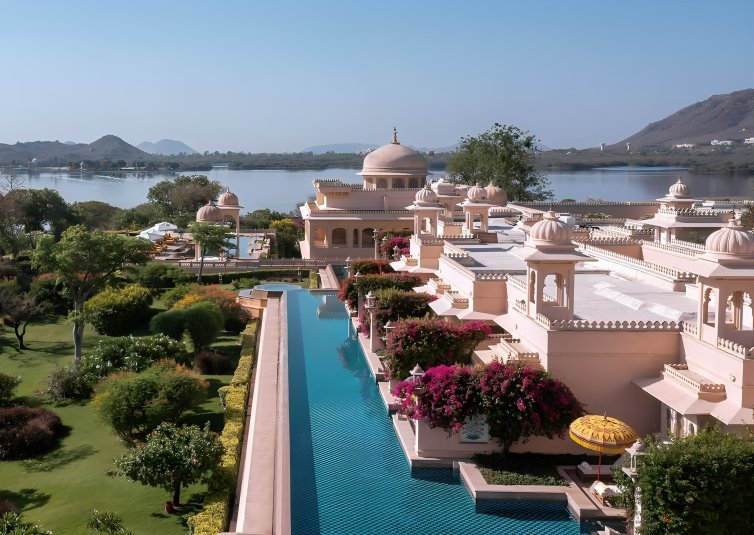
Tier 3 (₹1.5Cr+): Five-star hotels in metros start at ₹30L per day and climb fast. Heritage palaces in Rajasthan - Udaipur, Jaisalmer, Jaipur - range from ₹30L to ₹2Cr+ for a buyout, depending on the property and season. A destination wedding in Goa or the hills adds venue, accommodation, and logistics costs that can push total venue spend to ₹50L-₹1.5Cr on their own.
The line item nobody mentions: F&B minimums. Most hotel venues require you to spend a certain amount on food and beverage through them regardless of guest count. That minimum is often ₹10L-₹30L at mid-range properties and can be ₹50L+ at five-stars. Read the contract carefully before signing.
2. Catering
2. Catering
Catering is the line item that scales hardest with guest count - and the one families most consistently underbudget.
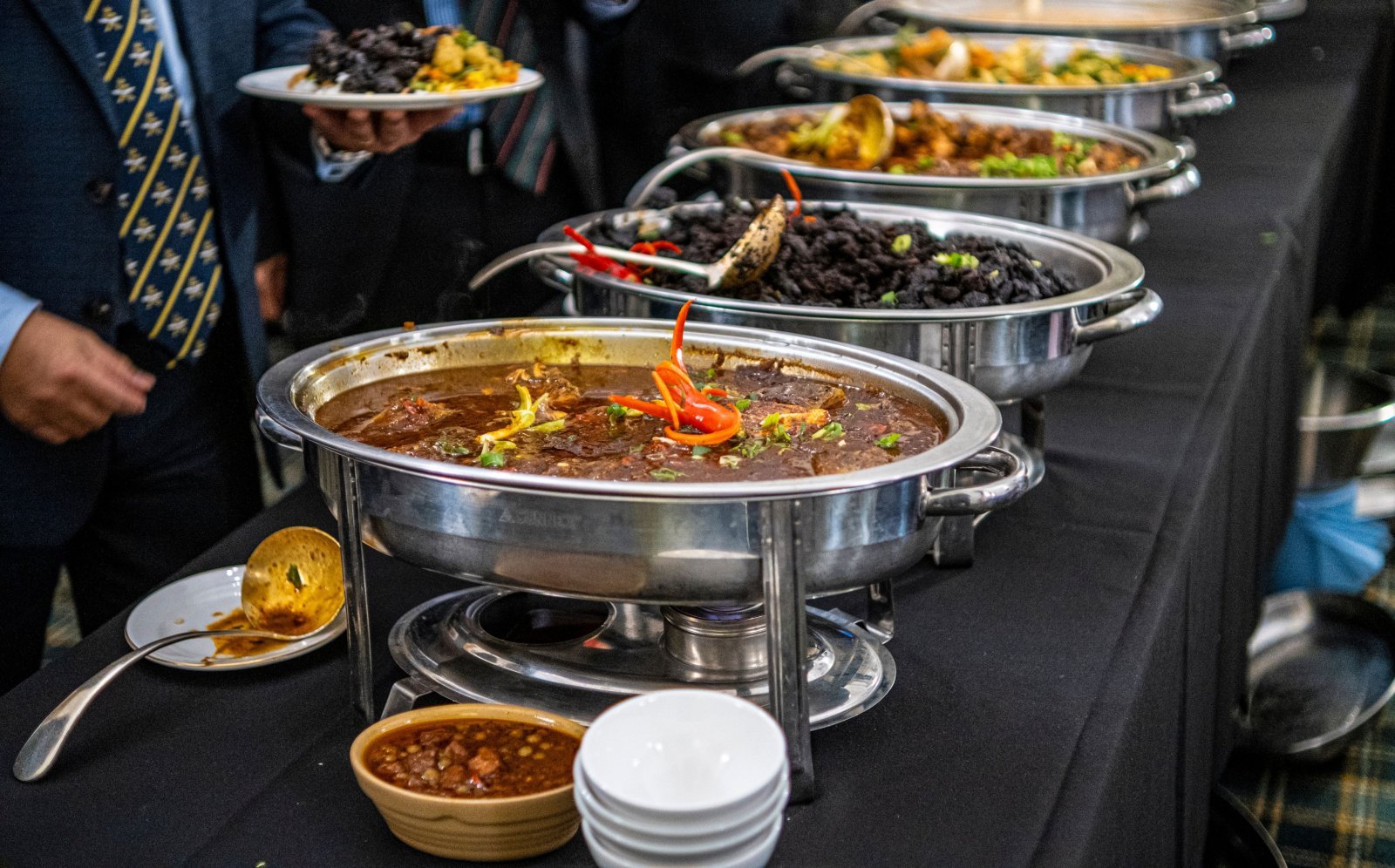
How it's priced : Almost always per plate, per function. The per-plate rate includes food, service staff, crockery, and sometimes basic decor on the food counters. It does not include alcohol, live counters, dessert stations, or midnight snacks - those are add-ons.
Per-plate rates in 2026:
- Basic non-hotel catering (veg) - ₹700 to ₹1,200 per plate
- Mid-range catering (veg + jain options) - ₹1,200 to ₹2,000 per plate
- Premium catering with live counters - ₹2,000 to ₹4,000 per plate
- Five-star hotel catering (mandatory) - ₹3,500 to ₹8,000 per plate
- Destination / royal catering - ₹5,000 to ₹15,000 per plate
For a 400-guest wedding across two functions: At ₹1,500/plate, you're looking at ₹12L just for food. Add live counters (₹80K-₹2L per counter), a mocktail station (₹50K-₹1L), a dessert bar (₹1L-₹2.5L), and alcohol at ₹400-₹1,500 per person, and the food budget for that same 400-person wedding can reach ₹20L-₹35L before you've added tea, breakfast, or late-night snacks.
Regional pricing varies significantly. Catering in Gujarat and Rajasthan tends to cost less per plate than in Mumbai or Delhi, but comes with expectations around variety and live counter count that add back to the total. Browse caterers and food vendors on Eventam to compare packages by city.
3. Decor
3. Decor
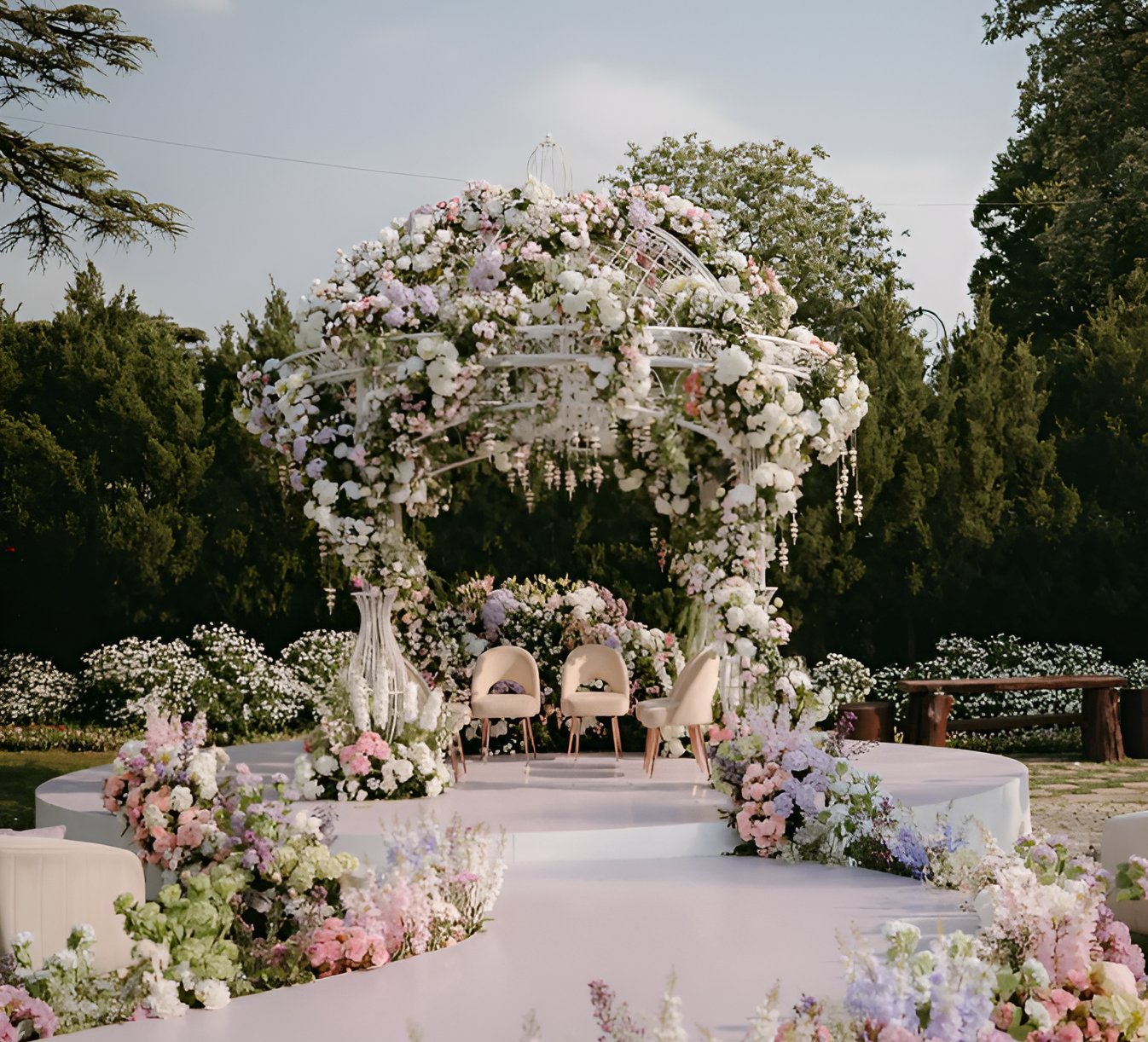
Decor is where the gap between expectation and budget is widest. Instagram has made mid-range brides want high-end decor - and high-end decor genuinely costs what it costs.
What's included: Mandap, stage backdrop, entrance setup, floral arrangements, table centrepieces, lighting (if not billed separately), fabric draping, and prop rentals.
What's not included: LED walls, crane or truss setups, custom fabricated pieces, photobooth setups, and fire or pyrotechnic effects. These are quoted separately and can individually cost ₹1L-₹10L.
Tier 1 (₹15L-₹35L): A simple mandap with fresh flowers and basic fabric draping: ₹1.5L-₹3.5L. Stage backdrop and entrance: ₹80K-₹2L. Total decor across two functions: ₹3L-₹7L. At this budget, artificial flowers and reused stock items are the norm.
Tier 2 (₹35L-₹1.5Cr): Fresh florals, custom mandap design, LED fairy lights, dedicated decor team: ₹8L-₹25L per function. A full multi-function wedding with marigold mehendi decor, floral sangeet setup, and elaborate wedding day mandap can run ₹20L-₹50L on decor alone.
Tier 3 (₹1.5Cr+): Luxury decor and styling studios charge ₹15L-₹80L+ per function. These setups involve custom fabrication, imported flowers, full venue transformation, and design teams that start working six months out.
The trend driving costs in 2026: Couples want "Instagrammable" everything - each ceremony needs a distinct aesthetic. That means four different setups rather than one. Decor costs have risen 25-35% over 2023 levels as demand has outpaced supply of good decorators.
4. Photography & Cinematography
4. Photography & Cinematography
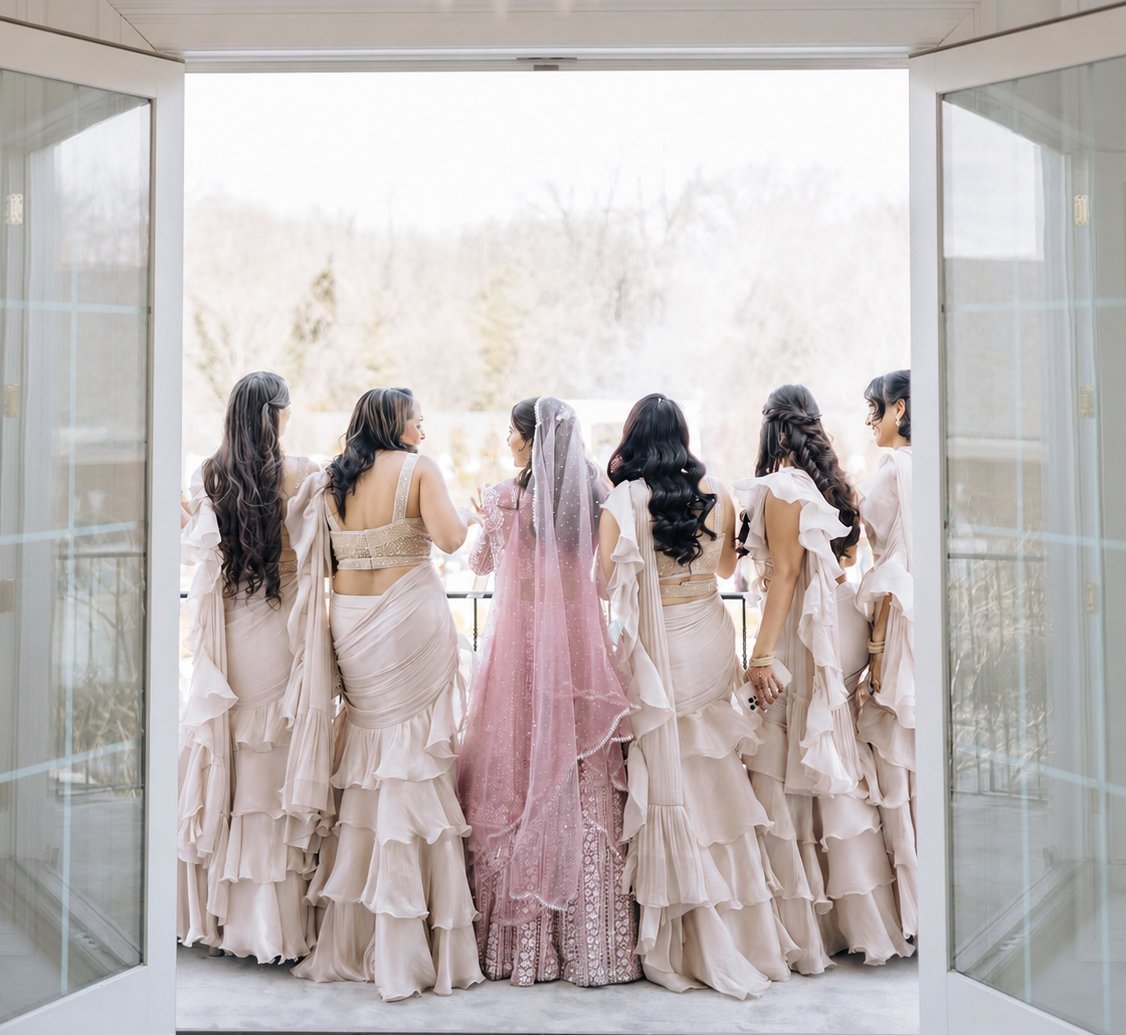
Photography is the only expense where the output outlasts the wedding by decades. It's also the vendor most likely to be cut when budgets are tight - which is almost always the wrong call.
What's included in a standard package: A photographer and assistant for coverage of ceremonies, candid and posed shots, edited digital gallery delivered in 4-8 weeks. Cinematography packages add a videographer, edited highlight reel (3-5 minutes), and a full-length film.
Pricing in 2026 :
- Entry level (1-2 day) - Photography ₹50K to ₹1L / Cinematography ₹40K to ₹80K
- Mid-range (2-3 day) - Photography ₹1.5L to ₹3.5L / Cinematography ₹1L to ₹2.5L
- Premium (full wedding) - Photography ₹4L to ₹10L / Cinematography ₹3L to ₹8L
- Sought-after studios - Photography ₹10L to ₹25L / Cinematography ₹8L to ₹20L
Travel and accommodation: Any photographer coming from another city will quote a travel fee (₹10K-₹40K) and require accommodation. For a multi-day wedding, this is a real number - two photographers from Delhi at a Jaipur wedding can add ₹60K-₹1.2L to your photography bill just in logistics.
Drone coverage: Now standard at most weddings. Add ₹20K-₹80K depending on number of drone operators and duration.
Reels and social content: Many studios now offer "wedding reels" packages - same-day or next-day edited content for Instagram. Prices range from ₹15K-₹1L depending on turnaround and quality.
5. Bridal & Groom Looks
5. Bridal & Groom Looks
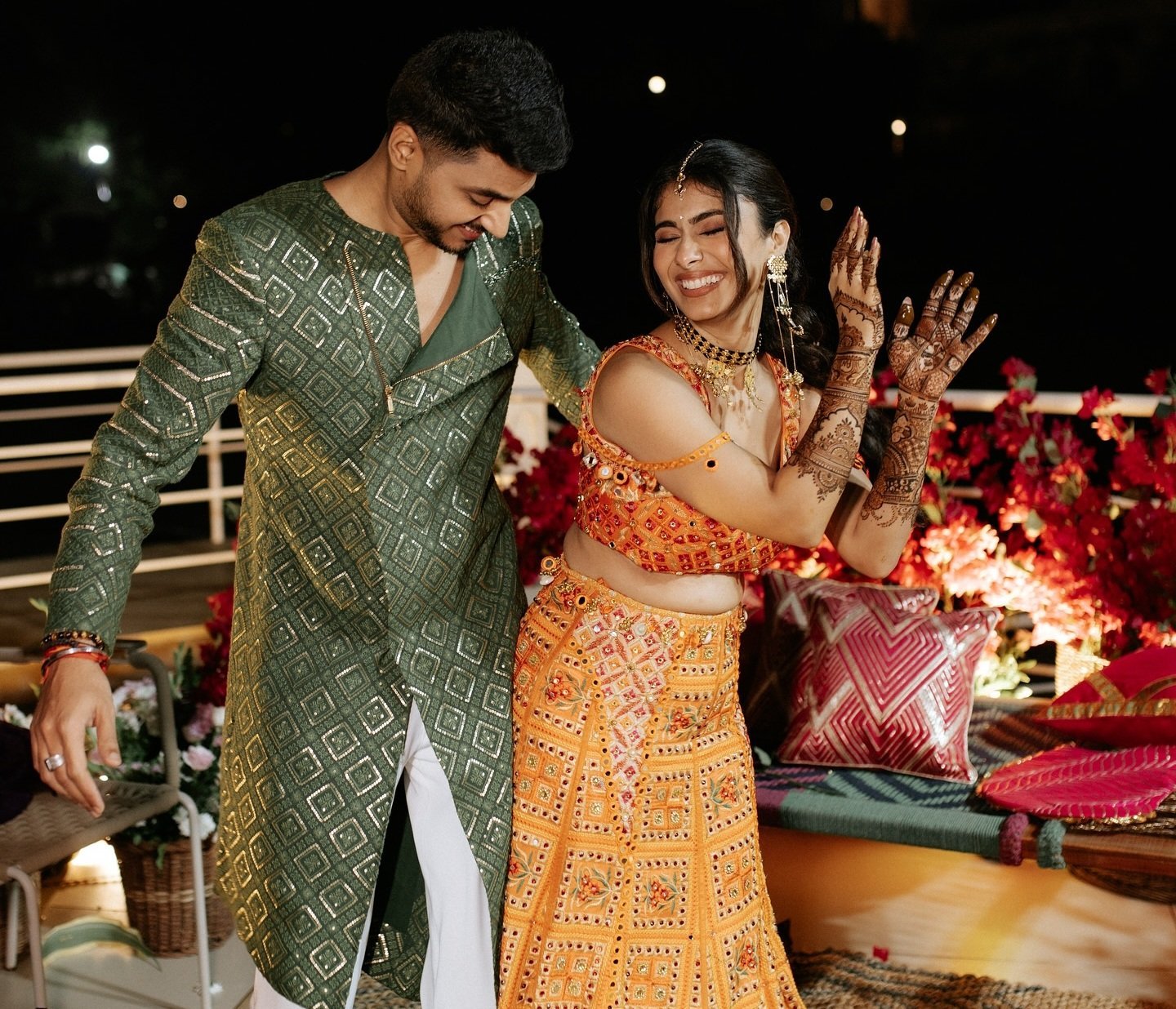
Bridal styling costs have increased significantly since 2022. A full bridal look in 2026 - outfit, jewellery, makeup, mehendi - can rival the entire photography budget.
Bridal makeup: A known bridal makeup artist for the wedding day runs ₹30K-₹1.5L. For pre-wedding functions (mehendi, sangeet, haldi), add ₹15K-₹40K per look. Total bridal makeup across four functions: ₹80K-₹3L.
Bridal outfit: The lehenga or saree for the main ceremony is often the biggest single personal expense. Entry-level designer boutiques start at ₹50K. Known designers - Sabyasachi, Manish Malhotra, Anita Dongre - start at ₹3L and go to ₹30L+. Most brides in the Tier 1-2 range spend ₹1.5L-₹6L on the bridal outfit, plus ₹50K-₹2L each on outfits for mehendi and sangeet.
Jewellery: Borrowed, rented, or purchased. Rental gold jewellery runs ₹15K-₹80K for the set for a day. Purchased gold adds a variable cost most couples treat separately from the "wedding budget."
Groom outfit: Typically ₹30K-₹3L depending on brand and occasion count.
Mehendi: A solo mehendi artist for the bridal hands and feet runs ₹5K-₹25K. A full team for bride plus family: ₹30K-₹80K. Artists who travel from other cities charge more. For design inspiration, see mehendi trends trending in 2026.
6. Entertainment & Music
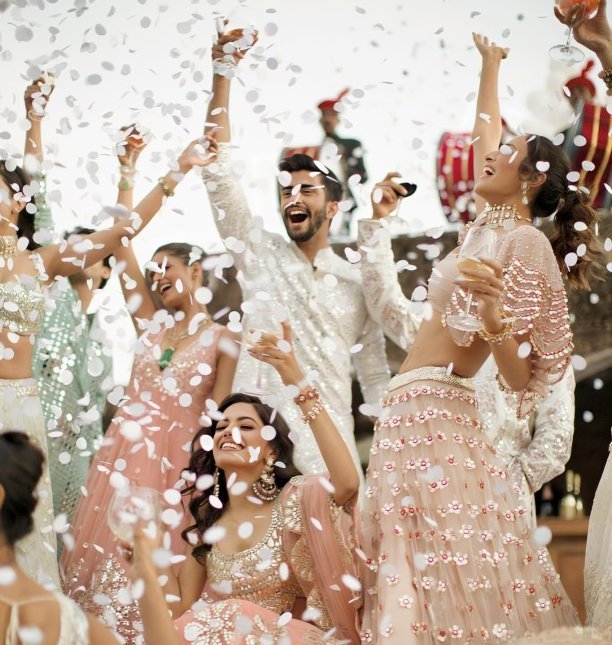
DJ: A professional DJ for the sangeet or reception runs ₹25K-₹1.5L depending on their profile, equipment quality, and travel. For a Tier 1 budget, a local DJ with decent sound system: ₹25K-₹50K. For a known DJ with production-grade setup: ₹1L-₹4L.
Live band or performers: Sangeet live bands typically start at ₹1L and go to ₹10L+ for celebrity acts. A local band of 4-6 musicians for mehendi or sangeet: ₹1L-₹3L. A Bollywood artist performance (smaller names): ₹5L-₹25L. Need ideas for what to perform? Browse sangeet performance ideas for 2026.
Dhol players: ₹3K-₹15K per dhol per session. Most baraat processionals use 2-4 dhols.
Sound and AV: Often billed separately from venue, especially at farmhouses and outdoor venues. A professional sound setup for 400 guests: ₹50K-₹2L. LED wall rentals: ₹80K-₹3L depending on size.
7. Wedding Planner
A wedding planner either pays for itself or doesn't - it depends entirely on how you use one.
What a planner actually does: Vendor sourcing and negotiation, timeline building, day-of coordination, logistics management, budget tracking, and crisis resolution. A good planner saves 15-25% on vendor costs through their network - which can offset their fee at mid-to-high budgets.
Pricing models in 2026:
Percentage model: 8-15% of total wedding budget. On a ₹50L wedding, that's ₹4L-₹7.5L.
Fixed fee: ₹1.5L-₹5L for partial coordination (decor and vendor management only). ₹3L-₹15L for full-service end-to-end planning.
Day-of coordinator only: ₹50K-₹1.5L. Useful for couples who planned themselves but want someone to run the day.
Destination weddings: A planner is non-negotiable. Managing vendors across cities, local regulations, and logistics without one costs far more in mistakes than a planner's fee. See the full Udaipur destination wedding guide for what to expect end-to-end.
8. Invitations & Stationery
8. Invitations & Stationery
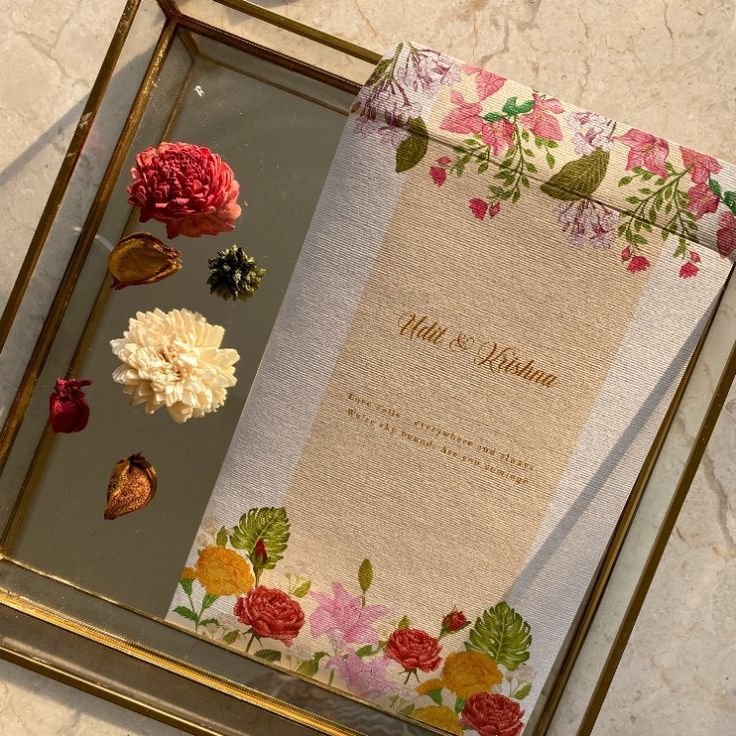
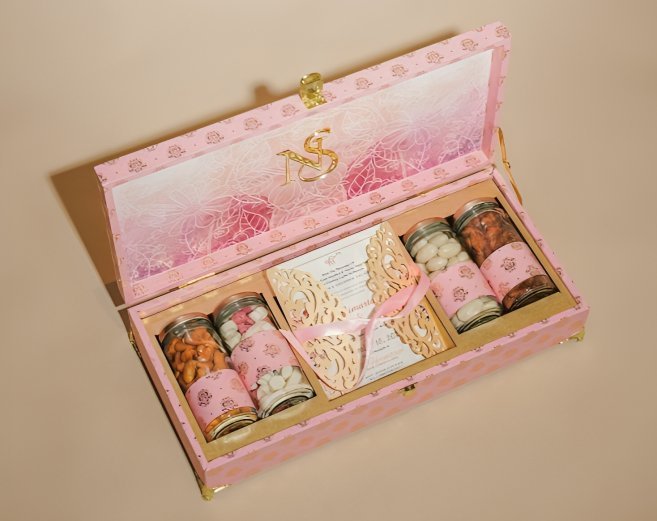
Digital invites are free. Physical invitations are not - and the price range is enormous.
Digital-only route: ₹5K-₹30K for a custom WhatsApp card or short animation from a stationery studio.
Physical invitations: Printed and assembled invitations for 300 families run ₹30K-₹2L depending on paper stock, printing technique, and packaging. Laser-cut boxes with multiple inserts - the kind that get unboxed on Instagram - run ₹500-₹2,000 per invite set.
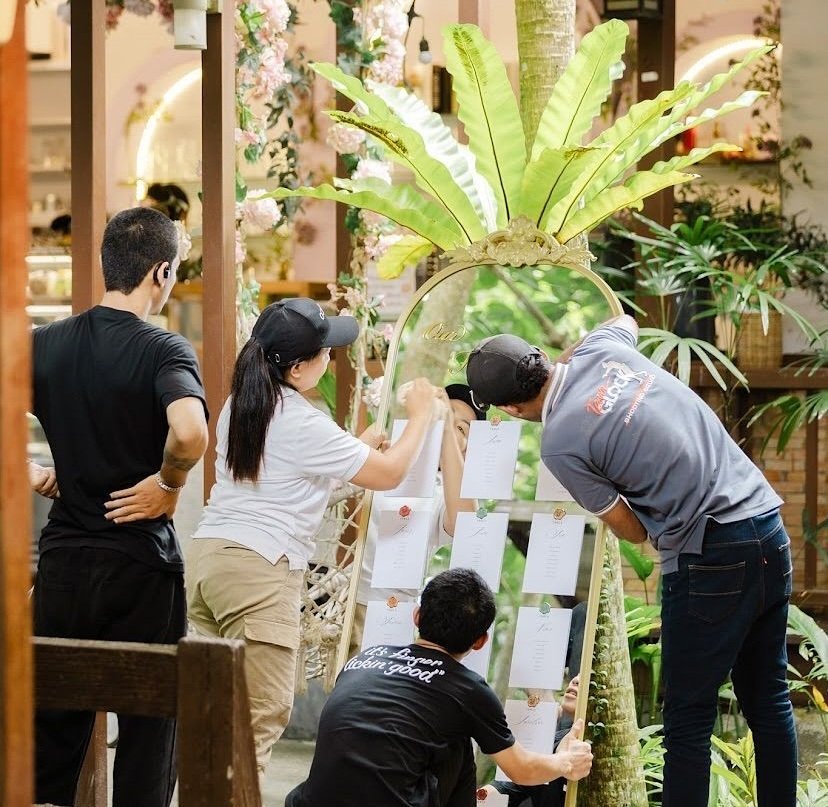
Day-of stationery: Menu cards, seating charts, hashtag boards, welcome signs, favour tags. Often forgotten in the initial budget. Add ₹20K-₹1L depending on quantity and design.
9. Accommodation & Hospitality
9. Accommodation & Hospitality
For destination weddings and multi-city families, accommodation is a significant and often underplanned cost.
Venue room blocks: Most hotel venues require a minimum room block as part of the wedding contract - typically 20-50 rooms. These are charged at a fixed rate regardless of whether guests fill them, usually ₹6K-₹25K per room per night.
Guest transportation: Buses between hotel and venue for 300 guests can cost ₹1L-₹3L per day. Tempo travellers and luxury coaches for airport pickups for VIP family: ₹50K-₹2L over a three-day wedding.
Welcome hampers: For destination weddings, welcome bags for guests are increasingly expected. Budget ₹500-₹3,000 per bag depending on contents.
10. The Line Items That Drain Budgets Without Warning
10. The Line Items That Drain Budgets Without Warning
These aren't separate categories - they're the costs inside every category that don't show up in the first quote.
Taxes and service charges: GST at 18% on venue and catering, 12% on decor and photography. On a ₹50L wedding, this adds ₹6L-₹9L in taxes alone. Every quote from a GST-registered vendor should specify whether the number is inclusive or exclusive of tax.
Overtime: Photographers, DJs, and event staff charge overtime after their contracted hours. A wedding running 2 hours long can add ₹20K-₹1L to your bill day-of.
Vendor meals: Caterers charge per plate for vendor staff meals, often at ₹300-₹700 per head. For a wedding with 20-30 vendor staff (photographers, DJ team, decor crew, makeup artists), this is ₹6K-₹21K per function that surprises almost everyone.
Generator backup: Venues that don't include this in their quote often charge ₹20K-₹80K for a generator on call.
Last-minute additions: Every family adds something - one more live counter, one more sangeet performer, one more cake tier. Budget 10-15% as a contingency line item from day one.
How to Stretch Your Budget Without It Showing
How to Stretch Your Budget Without It Showing
Book photography before venue. Good photographers book 9-12 months out. Venues can often be secured 4-6 months ahead. Don't sacrifice the photos to save a venue booking slot.
Consolidate functions. A combined mehendi-haldi is now completely acceptable and saves a full day of decor, catering, and vendor costs. A sangeet-reception hybrid is increasingly common at Tier 1 budgets.
Let the caterer negotiate the venue. If you're using an outside caterer anyway, they often have venue relationships that unlock better rental rates. Ask before you sign.
Choose artificial over fresh for functional decor. Entry arches, ceiling arrangements, and pillar wraps look nearly identical in photos in silk versus fresh flowers. Reserve the fresh flower budget for the mandap, stage, and any hero shot areas. See mandap decoration ideas for 2026 for inspiration on where to invest.
Use a planner for negotiation only. Even a day-of coordinator can save money through their vendor network. You don't need full-service planning to benefit from their connections. Browse event management companies on Eventam to find one that fits.
One Final Note
One Final Note
The budgets above are realistic 2026 benchmarks - not aspirational projections, not decade-old figures inflated by "general guidance." Indian wedding costs have risen 20-30% across most categories since 2022, driven by increased demand, rising raw material costs, and a genuine shift in what guests expect.
The most expensive mistake isn't overspending on any one vendor - it's not budgeting for what you actually want, then making compromises late that cost more than the original plan would have.
Know your non-negotiables first. Build the rest around them.
Looking for vendors within your budget? Browse photographers, decorators, caterers, and venues on Eventam - compare profiles, real pricing, and verified reviews across every city in India.
Looking for vendors within your budget? Browse photographers, decorators, caterers, and venues on Eventam - compare profiles, real pricing, and verified reviews across every city in India.