Bigger guest lists. More functions. Heavier decor. That was the old definition of a luxury Indian wedding. In 2026, the most expensive weddings in the country are quietly choosing restraint over excess - and the shift is permanent, not a phase.
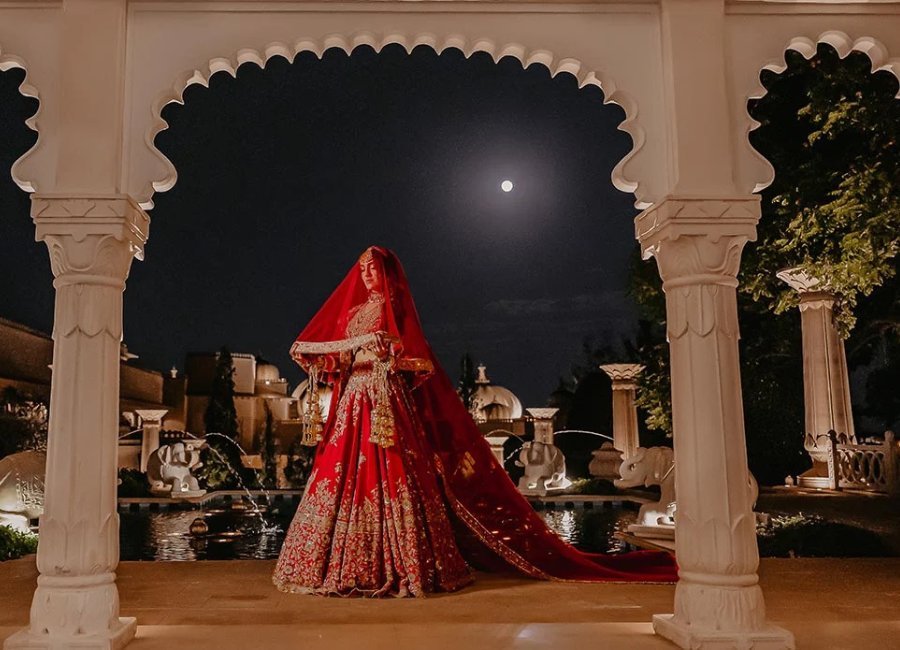 For two decades, luxury at an Indian wedding meant one thing: more.
More guests. More functions. More flowers, more lights, more gold thread per square inch of lehenga. The wedding that won was the one people talked about for the sheer scale of it - the 2,000-guest reception, the imported orchids, the seven-course meal nobody could finish.
That era isn't over. But it's no longer where the most interesting weddings in India are happening.
Grandeur was almost a given, measured in square footage, floral quantities, and how many events could fit into a single weekend. But somewhere along the way, something began to shift. The wealthiest, most design-conscious couples getting married in 2026 are choosing something that looks, on the surface, like less - and costs, in many cases, exactly as much as the loudest wedding in the city. They've just redirected where the money and attention go.
This is what that shift actually looks like, why it's happening, and how to bring it into your own wedding even if "quiet luxury" sounds like something only available to people with unlimited budgets. It isn't.
What "Quiet Luxury" Actually Means at an Indian Wedding
The phrase gets thrown around loosely, so let's be precise about what's actually changed.
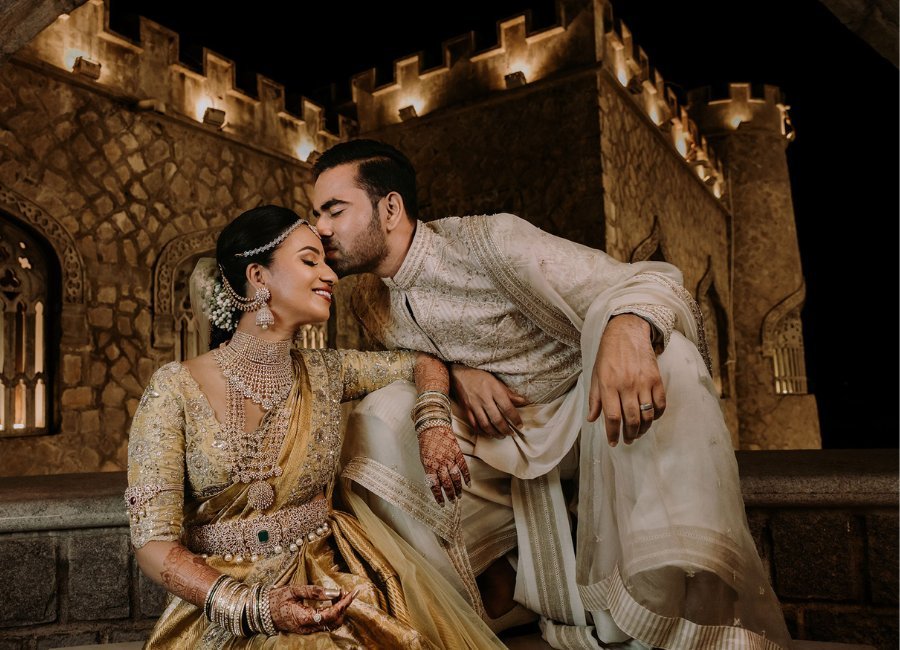
This isn't about weddings becoming smaller or simpler. It's about them becoming more grounded. In 2026, grandeur is no longer about excess. It's about intention. The couples leading this shift aren't cutting their budgets - they're redirecting them. Instead of a hundred decor elements competing for attention, they're investing heavily in five extraordinary ones. Instead of a menu with eighty dishes, they're serving twenty-five dishes executed perfectly.
Minimalist luxury weddings focus on elegance over excess, with clean aesthetics, muted colours, and refined decor. The principle running underneath all of it: minimalist luxury weddings prove that less really can be more.
This matters because it changes the entire planning conversation. The question is no longer "how do we make this bigger?" It's "what actually deserves our attention, and what can we let go of?"
Why This Shift Is Happening Now
A few forces have converged to make 2026 the year this became mainstream rather than a niche aesthetic choice for a handful of design-forward couples.
Couples have seen the maximalist wedding enough times. After a decade of increasingly elaborate weddings circulating on Instagram, many 2026 couples are explicitly seeking something that doesn't look like every other wedding in their social feed. Restraint has become the differentiator that scale used to be.
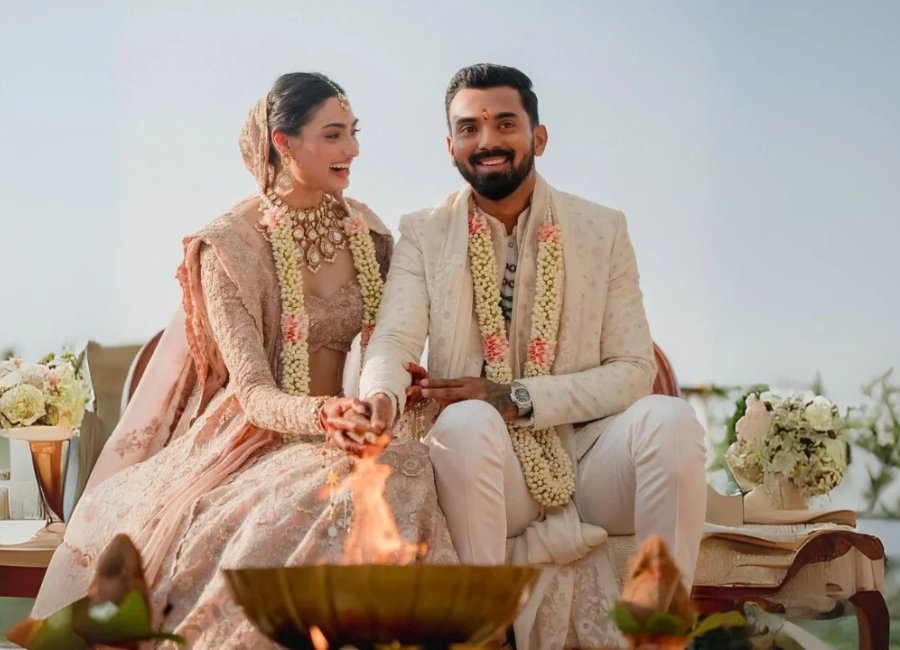
The focus has shifted from impressing guests to honouring the moment. Indian weddings are becoming less about impressing everyone in the room, and more about meaning something to the people who matter most. A beautifully designed mandap under open skies, a carefully paced ceremony where rituals aren't rushed, a dinner that feels like an experience rather than a buffet queue - luxury, in 2026, is calm.
Gen Z and millennial couples are funding more of their own weddings. Personal, unforced, and calm is the theme this generation is following - soft lighting, calm surroundings, and decor elements that promote presence rather than spectacle. When couples are paying with their own money rather than spending family wealth to make a statement, the calculus around what's "worth it" changes substantially.
Sustainability has become inseparable from luxury, not opposed to it. Minimalist Indian luxury weddings are dropping performative decor and embracing sustainable practices - and this conscious approach reflects a balance between luxury and responsibility that has become one of the most meaningful trends to emerge this year.
What Quiet Luxury Actually Looks Like: Decor and Venue
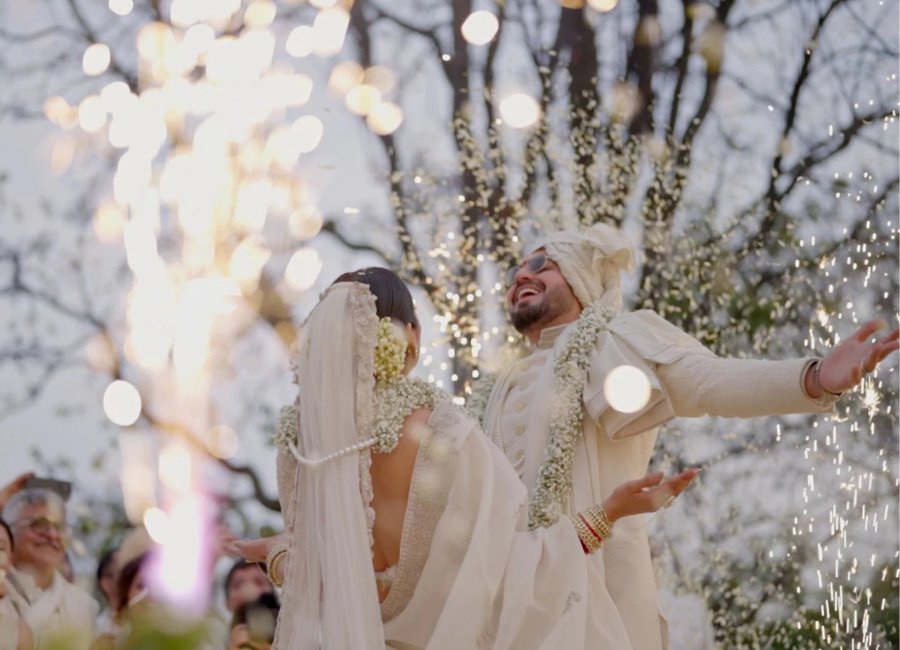
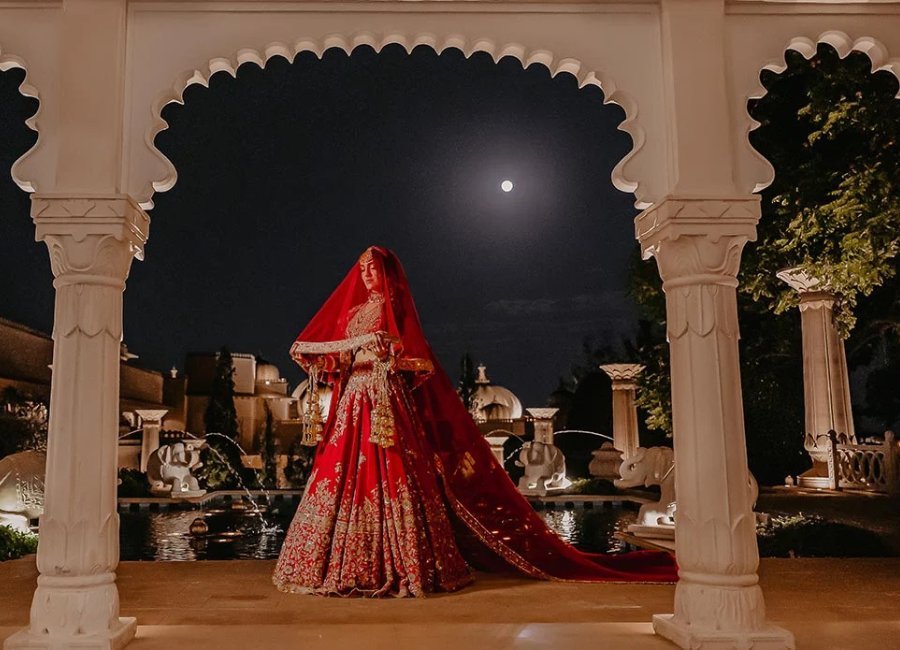
- Heritage and nature over built spectacle. One of the biggest shifts of 2026 is the rise of nature resorts and natural landscapes as wedding backdrops, with online interest up 50 percent, as couples trade ornate stages for the quiet elegance of open skies, lush greenery, beaches, forests, and mountain vistas. Couples are choosing venues that feel more like havelis or heritage homes, opting for decorations with antique touches and heirloom-inspired styling rather than constructed grandeur.
- The restrained mandap. Where a maximalist mandap might carry dense floral coverage across every surface, the 2026 quiet luxury version does the opposite. Instead of a fully decorated stage, couples are choosing a simple mandap with sheer drapes, white flowers, and warm lighting, often elevated with a single statement piece like a crystal chandelier - a style that photographs beautifully precisely because it isn't competing with itself.
- A tightly edited colour palette. Couples are opting for sophisticated colour palettes featuring ivory, gold, champagne, muted green, deep maroon, and soft pastels across every visual element - from floral arrangements and table settings to bridal fashion and stationery. Ivory, champagne, and soft pastels have become the defining colour language of the modern bride.
- Fabric and drape as the new floral statement. Designers are using flowing fabrics in sheer, scrunched, or draped formations to frame entrances, ceilings, and tablescapes in cinematic ways, adding softness, height, and fluidity that transform even minimalist venues into grand, ethereal settings - the use of drapes is intentional and artistic, turning fabric into a genuine design element.
- Outdoor and open-air settings replacing built structures. Outdoor weddings are booming in 2026, with couples choosing garden venues, farmhouses, and open lawns to create a natural, refreshing vibe - and these settings, by their nature, require less constructed decor to feel complete than an indoor banquet hall does.
What Quiet Luxury Looks Like: Bridal Fashion
- Lighter lehengas, less embroidery, more silhouette. Bridal and groom fashion in 2026 is moving toward comfort and individuality, with brides embracing lighter lehengas, minimal embroidery, and soft pastels. This is a genuine departure from the assumption that more zardozi automatically signals more luxury.
- Jewellery that whispers instead of shouts. 2026 has seen a shift from heavy embroidery and chunky yellow gold sets toward minimal makeup, flowing silhouettes, and floral jewellery - a far cry from the maximal bridal aesthetic that defined the previous decade.
- Slow fashion entering the bridal conversation. Sustainable brands and thrifting have entered the wedding conversation in an unexpected way - slow fashion, vintage couture, reworked heirlooms, rental pieces, and conscious labels are all now part of how 2026 brides think about their wardrobe. Wearing a family heirloom piece, or renting a sangeet outfit instead of buying new, has shifted from a budget compromise to an aesthetic and values statement.
- Comfort as a genuine design priority. Lehengas with pockets, cape-style dupattas, and lighter jewellery that still makes a statement are winning over brides this year - the wedding outfit no longer needs to be a beautiful endurance test.
The Personal Story Replaces the Generic Statement
Perhaps the most significant shift behind the "less is more" movement isn't aesthetic at all - it's emotional.
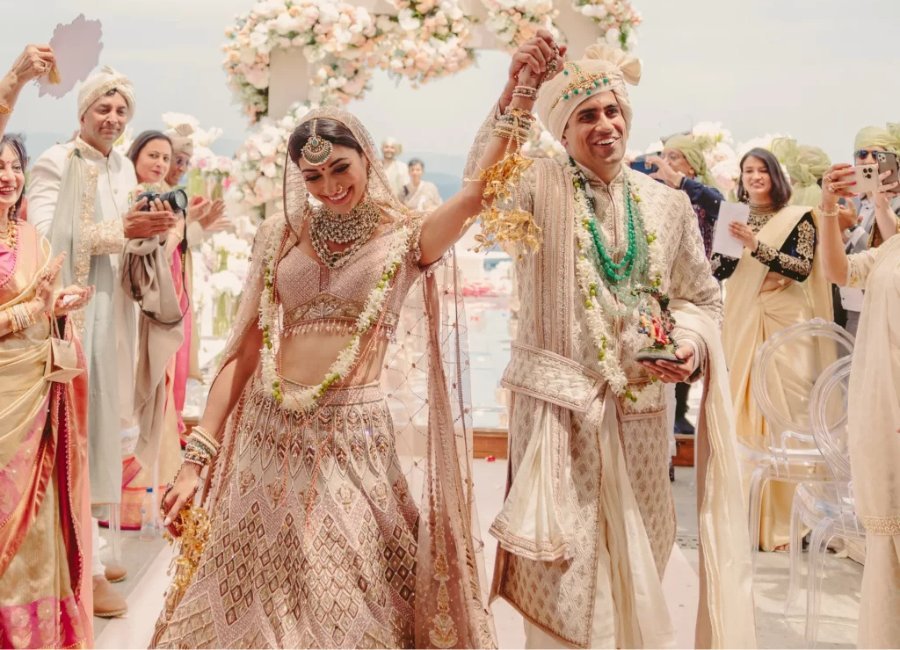
Many couples are now choosing wedding themes inspired by their personal journeys - how they met, their shared interests, the places they've visited together, and their family heritage. They would rather decorate with pieces that carry a personal story than with generic, beautiful decor with no meaning behind it.
This is also showing up in ritual. Many couples are re-embracing rituals from their ancestral traditions, including ones that had faded over time - choosing depth and meaning in fewer, more deliberate ceremonial moments rather than maximising the number of events on the calendar.
A quiet luxury wedding, done well, tells you something true about the two people getting married. A maximalist wedding, at its weakest, can sometimes tell you only that they had a large budget.
Is Quiet Luxury Actually Cheaper? The Honest Answer
This is the question every couple asks once they understand the trend, and the honest answer is: it depends entirely on execution.
Where it genuinely saves money:
- Fewer decor elements means lower decor and floral costs overall, even with premium materials
- A tighter catering menu with fewer live counters and dishes reduces both food cost and waste
- Renting bridal outfits instead of buying multiple new ones can save ₹2 to 8 lakh depending on tier
- Smaller, more intentional guest lists naturally reduce per-head costs across catering, venue, and favours
Where the cost stays the same or increases:
- A "simple" mandap with a single statement chandelier and premium sheer drapes can cost as much as a fully decorated one - the cost has moved from quantity to quality of materials
- Heritage venues like havelis and palace properties often carry premium pricing precisely because of their character and exclusivity
- A tightly curated five-course plated dinner with premium ingredients can cost more per head than a sprawling eighty-item buffet
- Sustainable materials, biodegradable decor, and ethically sourced flowers frequently carry a premium over conventional alternatives
The honest framing: quiet luxury isn't a budget category. It's a values and aesthetic choice that can be executed at almost any budget tier - from an intimate ₹15 lakh wedding to an ultra-luxury ₹3 crore celebration. What changes is not necessarily the total spend, but where within that budget the money concentrates.
How to Bring Quiet Luxury Into Your Own Wedding
Pick three things to do extraordinarily well. Maybe it's the mandap, the food, and the photography. Spend disproportionately on those three. Let everything else be simple, clean, and well-executed without trying to compete for attention.
Edit your guest list with intention, not just budget. A quiet luxury wedding often has a tighter guest list - not because the couple can't afford more, but because the experience genuinely changes when every person in the room actually matters to you.
Choose one or two statement pieces over many small ones. A single extraordinary floral installation at the entrance does more than twenty smaller arrangements scattered throughout the venue. The same principle applies to lighting, to centerpieces, and to bridal jewellery.
Let the venue do some of the work. A heritage property or a naturally beautiful outdoor setting already carries visual richness before you add a single decor element. Lean into that rather than layering decor on top of it.
Slow down the ceremony itself. Talk to your planner and priest about pacing the actual rituals with intention rather than rushing through them to stay on schedule. The quiet luxury shift is as much about how the day feels as how it looks.
Consider rental and heirloom pieces for fashion. A bridal stylist who understands the rental and vintage market can help you build a wardrobe that feels personal and considered rather than simply new.
One Final Thought
The most expensive thing at a quiet luxury wedding is rarely visible in a single photograph. It's the discipline to say no to things that would have made the wedding look bigger, in service of something that makes it feel truer.
That discipline is harder than it sounds. Every vendor will offer you more. Every family member will suggest one more addition. The wedding that resists all of it and stays focused on what actually matters to the couple getting married - that's the wedding people remember for the right reasons.
You don't need to do more. You need to do what feels right.
In 2026, that's what luxury actually means.
Ready to build a wedding that's intentional rather than excessive? Browse decorators, venues, and planners who specialise in considered, design-forward celebrations on Eventam.