Mehendi has quietly become its own design discipline - Arabic, Indo-Arabic, minimal, contemporary, Rajasthani maharani, even fingertip-only. Fifteen mehendi styles trending in 2026 with how long each takes, what they cost, and which one actually suits you.
Mehendi used to be the easy part of a wedding. You sat for three hours, the artist did intricate flowers, your aunts admired it, you ate dinner with both hands held up.
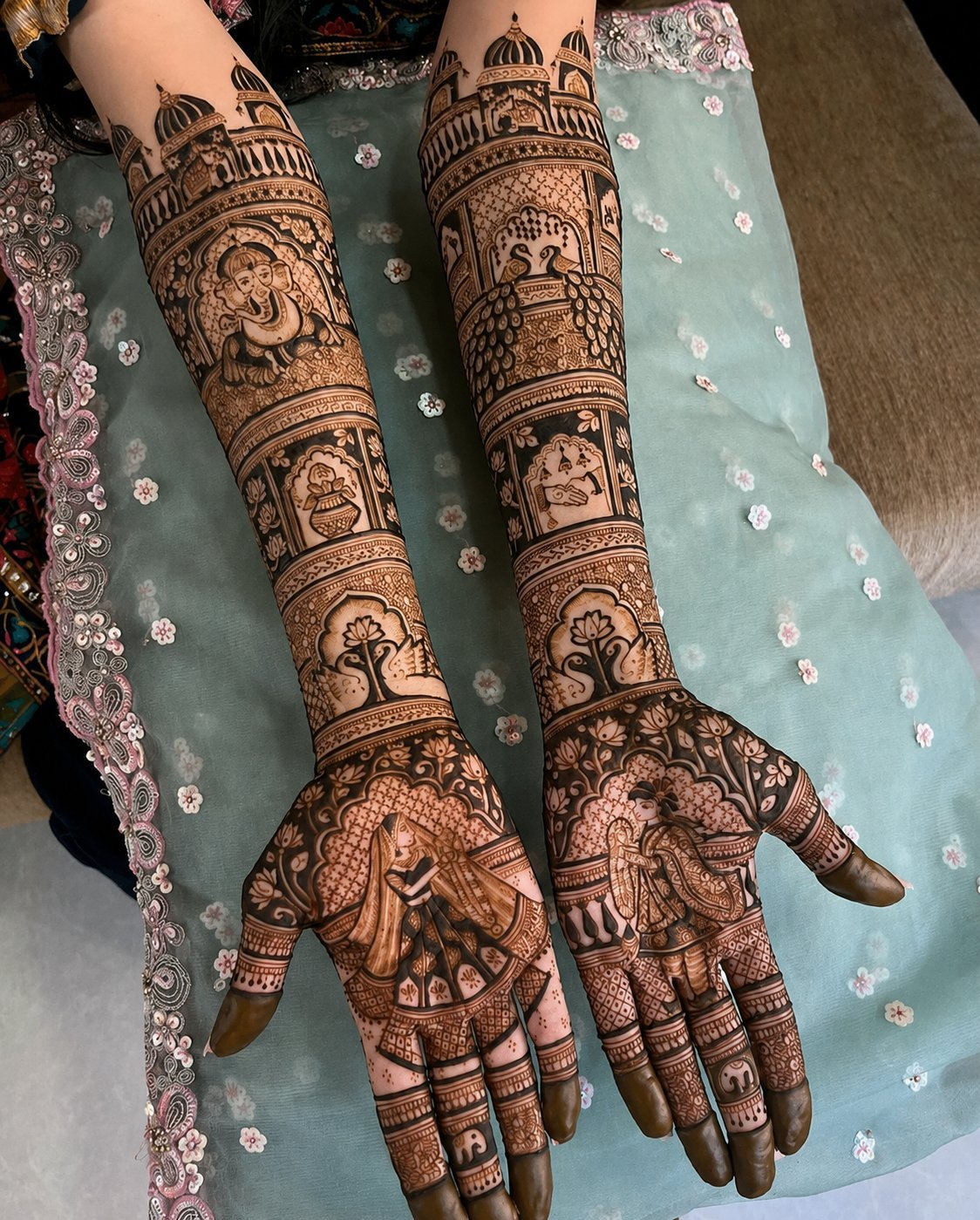
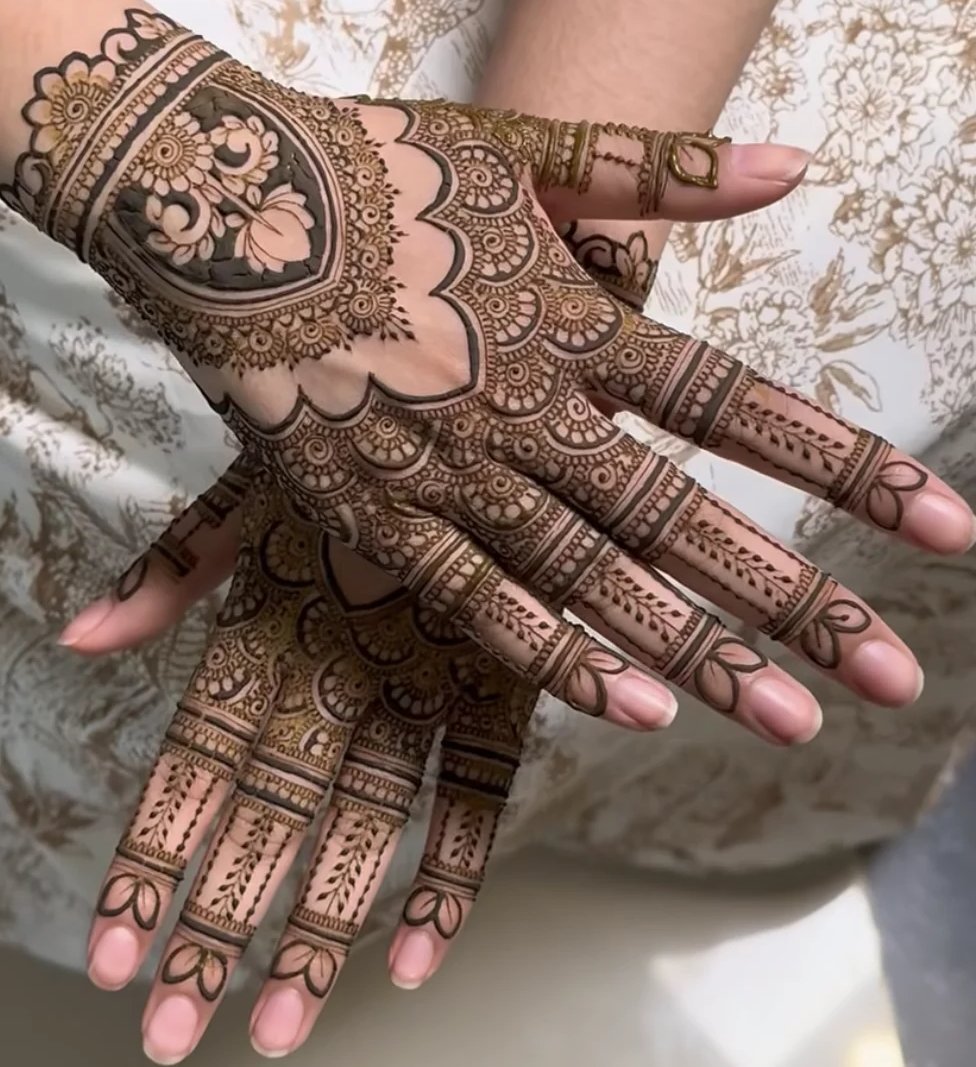
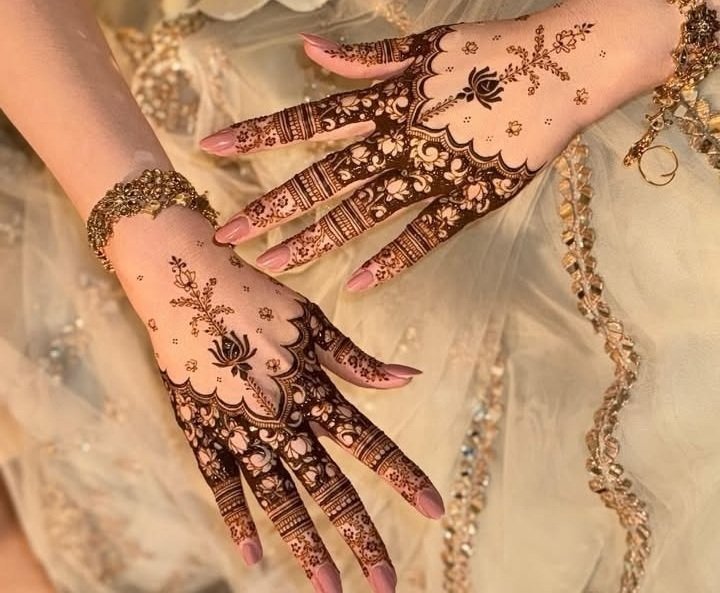
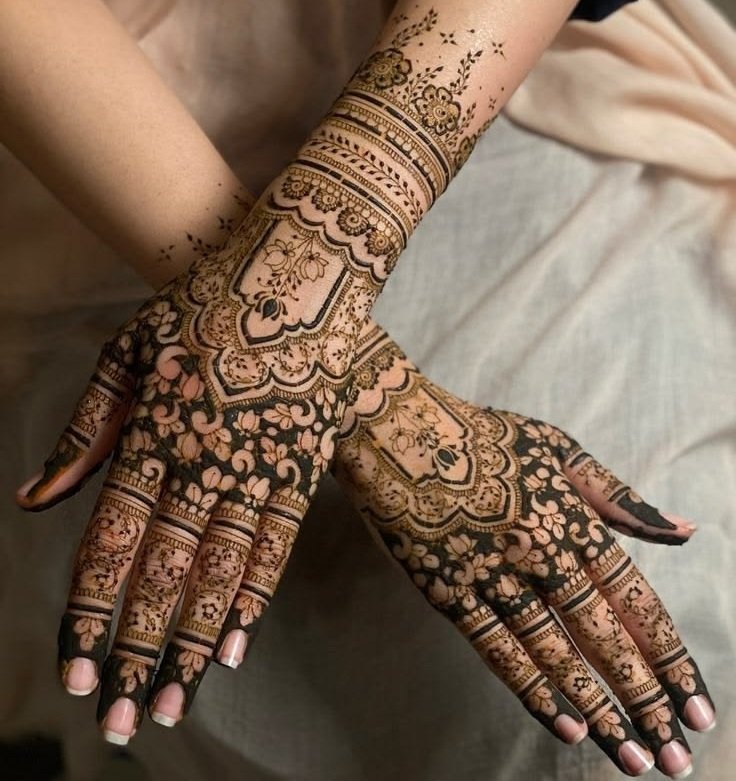
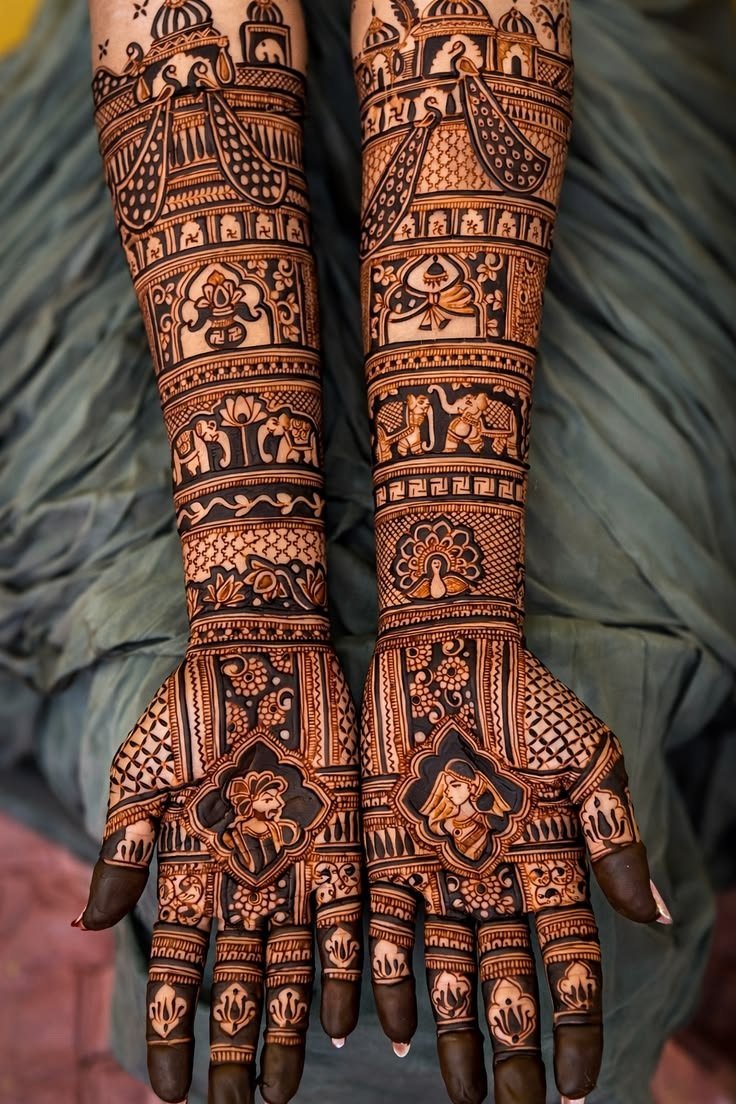
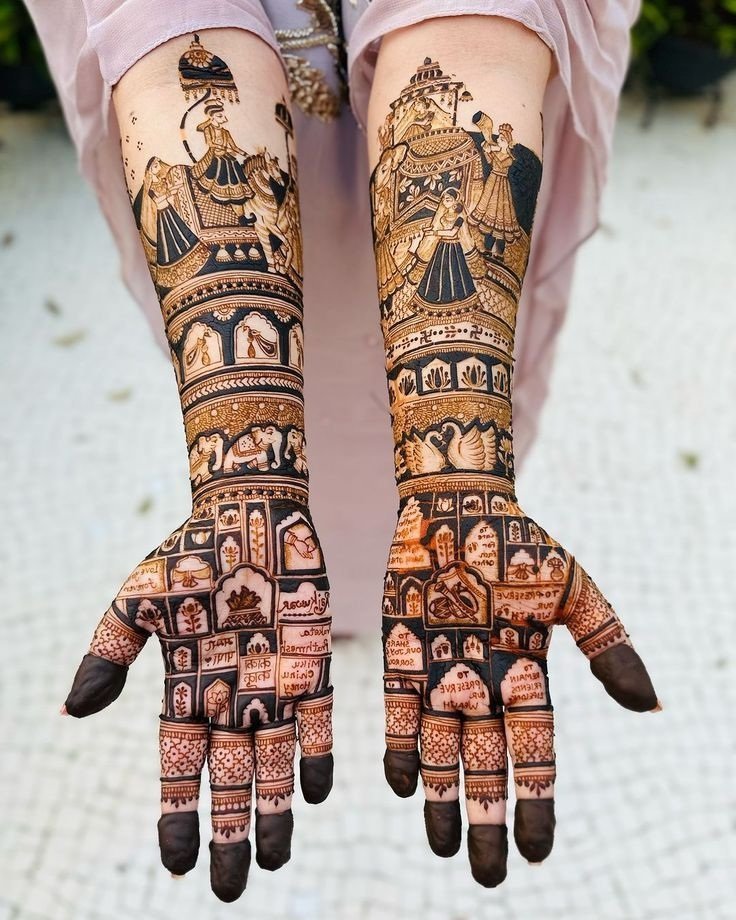
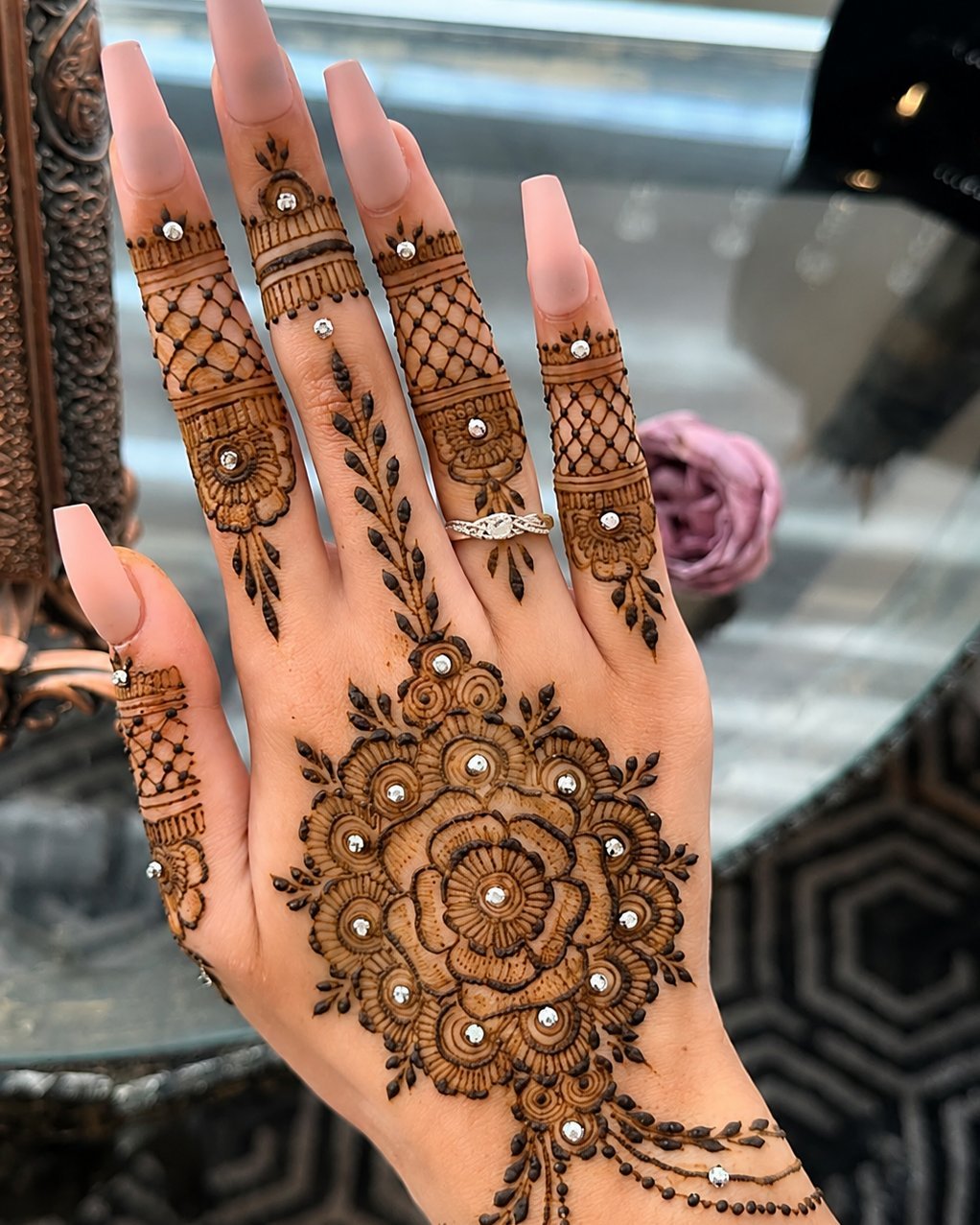
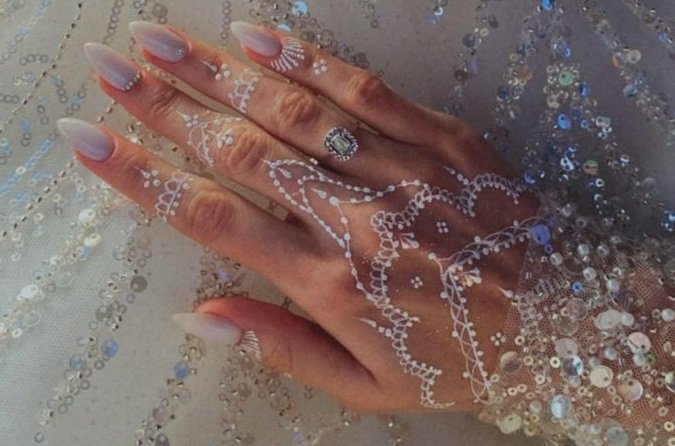
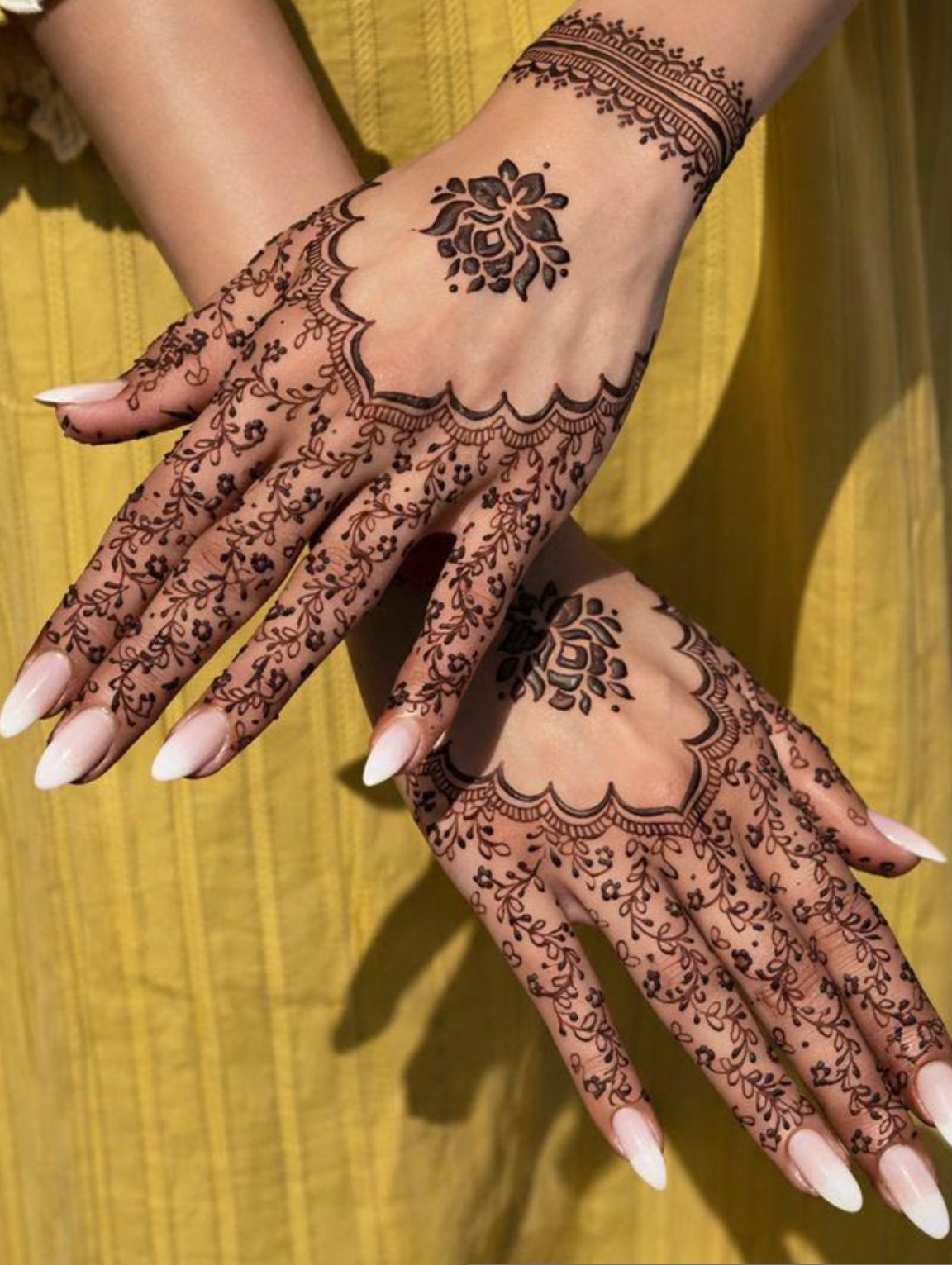
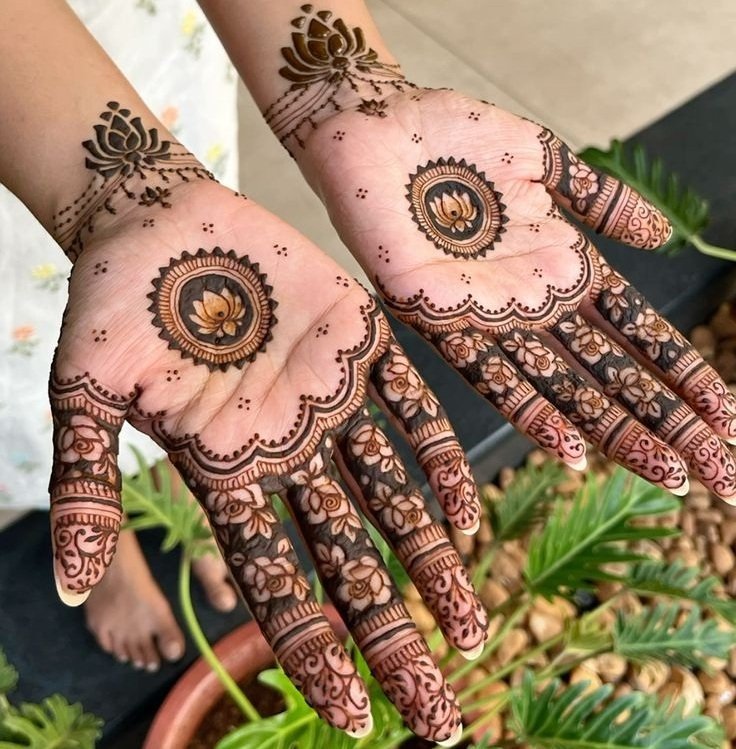
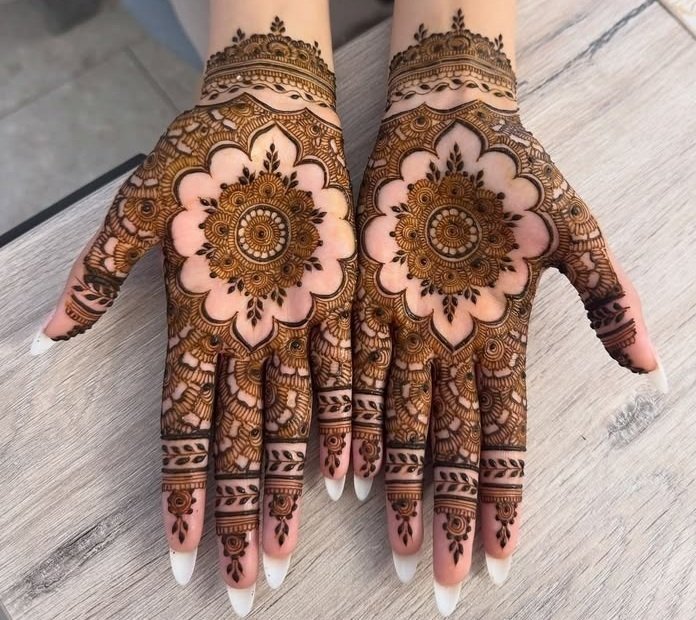
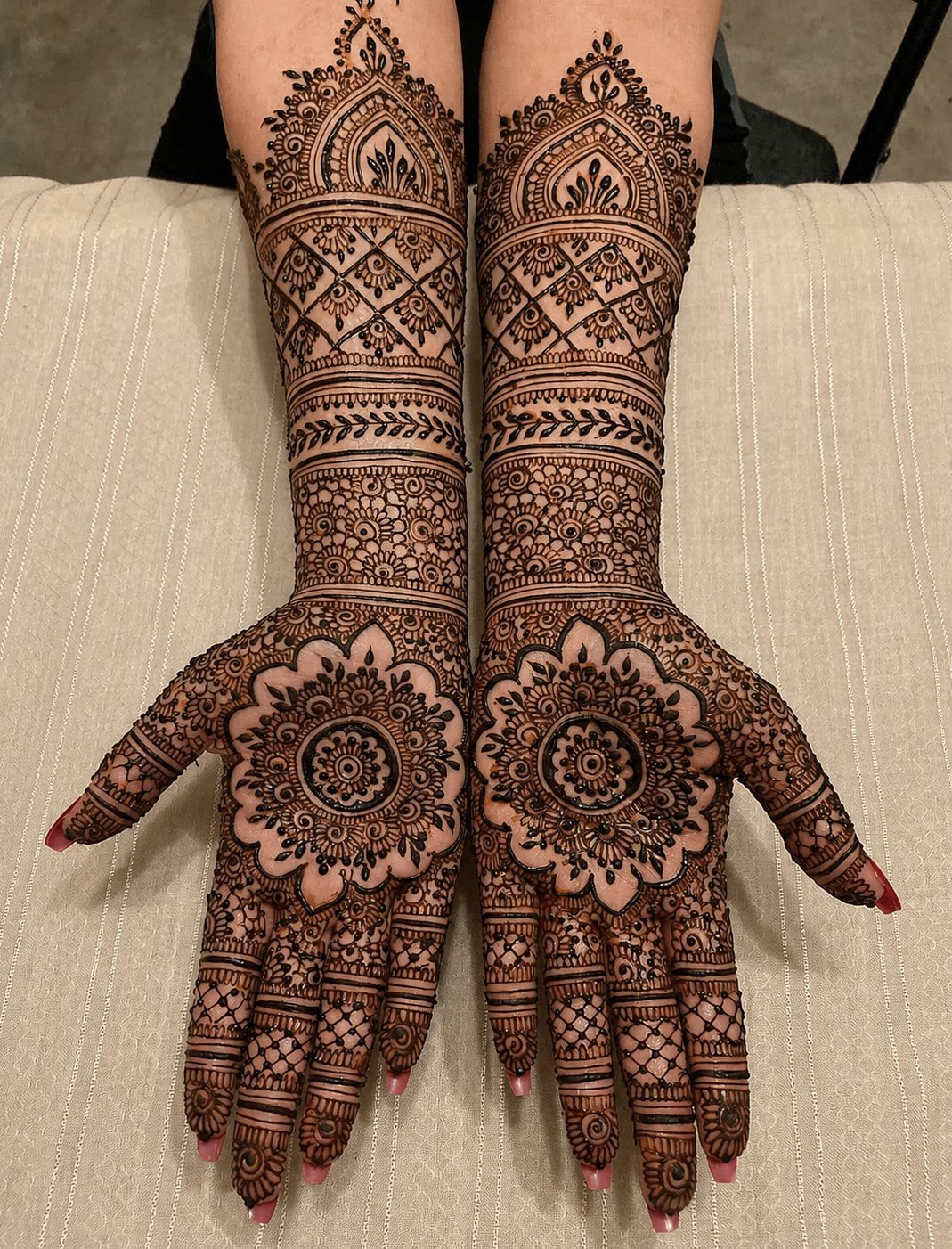
In 2026 it isn't that simple. Mehendi has become its own design discipline with at least eight distinct schools, regional variations, and a Pinterest culture that's pushed brides into territory their grandmothers wouldn't recognize. Minimal mehendi is now genuinely a category. Some brides are spending ₹40,000 on a single hand. Others are skipping intricate work entirely and going for one bold motif.
Here are mehendi designs and styles trending in 2026 - what each looks like, how long it takes, rough cost, and how to pick the one that suits your wedding aesthetic.
Before the styles - the unspoken rules
1. Get mehendi 1-2 days before the wedding, not earlier.
Color peaks at 24-48 hours after application. Three days out and it's already fading. Five days out and you'll be touching up with a marker on the wedding day. We covered the timing of haldi and mehendi functions in detail.
2. Quality of mehendi paste matters more than design complexity.
Cheap mehendi gives orange-ish color that doesn't darken properly. Premium organic mehendi gives that deep maroon-brown most brides want. Always ask your artist what they use.
3. Sit for the entire application without moving phones, jewelry, or food.
The single most common reason mehendi smudges before drying is the bride checking her phone mid-application.
4. Apply lemon-sugar paste after drying, not water.
This activates and darkens the color. Skip the old "scrape it off and wash with water" advice - that's how you get pale orange instead of deep maroon.
5. Avoid soap on the mehendi for at least 12 hours after removal.
Hot oil is your friend.
Now the styles.
1. Classic Indian Bridal (Rajasthani-style)
The traditional full-hand-up-to-elbow design with intricate paisley, jali patterns, bride-and-groom portraits, mandala motifs at the palm center, and detailed work right to the fingertips. This is the design your grandmother would call "real mehendi."
Best for: Traditional weddings, brides who want the iconic Indian bridal hand photo
Time required: 5-7 hours per side (both hands)
Cost range: ₹15,000-60,000 for full bridal application
Pairs with: Heavy lehengas, polki jewelry, classic bridal hairstyles
2. Minimal Modern
Single line patterns, small motifs at strategic points, lots of negative space. Often just the back of the hand and a few finger details - nothing on the palm. The kind of mehendi that looks like Sabyasachi designed it.
Best for: Court weddings, intimate weddings, modern brides, sangeet-only mehendi
Time required: 1-2 hours per side
Cost range: ₹3,000-12,000
Pairs with: Pastel lehengas, modern silhouettes, minimal jewelry
3. Arabic Mehendi
Bold flowing florals with prominent negative space, thick outlines, and shading work. Originally Middle Eastern in style, now fully integrated into Indian bridal repertoire. Less intricate than traditional Indian, but more dramatic in impact.
Best for: Brides who want statement mehendi without the all-day sitting commitment
Time required: 2-3 hours per side
Cost range: ₹5,000-25,000
Pairs with: Almost everything - Arabic mehendi is the most versatile of the major styles
4. Indo-Arabic Fusion
The bestselling category of 2026. Combines the intricate detail of Indian mehendi with the bold flowing florals of Arabic. Typically: Indian detail on the palm and fingers, Arabic-style florals up the forearm.
Best for: Brides who can't decide between traditional and modern
Time required: 3-5 hours per side
Cost range: ₹10,000-40,000
Pairs with: Most bridal looks
5. Maharani Style (Heavy Detailed)
The maximalist royal Rajasthani approach. Mehendi goes from fingertips to bicep - yes, biceps. Multiple panels, bride-and-groom motifs, full mandalas, peacocks, elephants, scenes from the wedding ceremony, even the date of the wedding worked into the design.
Best for: Big-fat-weddings, royal palace venues, brides who want the most photographed hands of the night
Time required: 8-12 hours total across both arms
Cost range: ₹35,000-1.5 lakh for celebrity-tier maharani mehendi
Pairs with: Heavy bridal lehengas, big mehendi functions, full kaleera
6. Portrait Mehendi
Within the maharani style, but worth its own mention. Detailed bride-and-groom portraits, faces of parents, the venue, the wedding mandap - all hand-drawn into the mehendi. Usually placed on the palm center or back of the hand.
Best for: Couples with strong emotional attachment to a place or person they want immortalized
Time required: Adds 1-2 hours on top of base design
Cost range: ₹5,000-25,000 (add-on)
Skill warning: This needs a genuinely skilled artist. Bad portrait mehendi looks worse than no portrait.
7. Glitter and Stone Mehendi
Mehendi with added glitter, gemstones, or rhinestones embedded into specific motifs. Once considered tacky, it's resurged in 2026 - particularly the white-mehendi-with-stones style for sangeet nights.
Best for: Sangeet, mehendi function itself, photo-heavy events
Time required: 3-5 hours
Cost range: ₹8,000-30,000
Important: Glitter/stones aren't permanent. They wash off in 24-48 hours. Use only for the function, not the wedding day.
8. White Mehendi
Not actual mehendi - it's a body paint that mimics henna patterns in white. Increasingly popular for sangeet, haldi, and pre-wedding shoots. Temporary, washes off in a day.
Best for: Pre-wedding photo shoots, sangeet, brides who want a different look for each function
Time required: 1-3 hours
Cost range: ₹2,500-12,000
Pairs with: Mint, lavender, white outfits - anywhere traditional brown mehendi would visually fight the look
9. Minimal Wrist & Fingertip-Only
Even more minimal than minimal modern. Just a band at the wrist, dots or a single line on fingertips, and nothing else. Often combined with a single ornate motif on the back of the hand.
Best for: Court marriages, second weddings, brides who don't like the mehendi look but want to honor the ritual
Time required: 30-60 minutes
Cost range: ₹1,500-6,000
Pairs with: Indo-western outfits, modern silhouettes, very minimal jewelry
10. Negative Space Modern
Large detailed motifs with significant clear skin between them - the design uses both the henna and the space around it. Architectural in feel. One of the most-photographed styles among urban brides in 2026.
Best for: Editorial photography, intimate weddings, brides with strong aesthetic preferences
Time required: 2-3 hours
Cost range: ₹6,000-20,000
Pairs with: Pastels, off-whites, modern lehengas
11. Mandala-Centered
Full mandala (circular geometric design) at the palm center, extending outward with diminishing detail. The mandala acts as the visual anchor - finger details and forearm work radiate from it.
Best for: Symmetrical aesthetic preference, traditional-modern fusion brides
Time required: 3-4 hours per side
Cost range: ₹8,000-25,000
How to actually pick the right style
Three questions:
1. How long can you realistically sit?
1. How long can you realistically sit?
Maharani-style mehendi means 10-12 hours of sitting. Eating one-handed. Bathroom breaks orchestrated by your sister. If you have a low tolerance for sitting still, the answer isn't to suffer through it - pick a style that doesn't require it. Arabic, Indo-Arabic, and minimal styles deliver gorgeous results in 2-4 hours.
2. What does the outfit hide or reveal?
Sleeveless lehenga? Detail on the forearm matters. Full-sleeved choli? Backside-only is smarter. Sleeves with cuts? Plan motifs that show through the cuts strategically. Send your mehendi artist photos of your outfit before designing.
3. What's your aesthetic at the rest of the wedding?
Mehendi should match the visual energy of your wedding, not fight it. Heavy Rajasthani maharani mehendi at a minimal pastel wedding will look strange in photos. Equally, minimal mehendi at a heavy traditional bridal look will feel underdressed.
How to spot a great mehendi artist
This matters more than most brides realize. The same design done by two artists looks like two different pieces of work.
Ask to see full hand photos, not zoom-ins.
Most artists' portfolios on Instagram show extreme close-ups that hide composition issues. Ask for the full-hand wide shot. That tells you about flow, balance, and confidence.
Check if their work has variety.
Some artists do only one style well. If their entire portfolio looks like minor variations of the same design, they may not deliver what you want.
Ask about their paste.
"What brand of mehendi do you use?" - they should answer specifically. Organic, natural, body-art-grade are good signals. "I make my own" is great if they actually do.
Confirm the timing.
A maharani-style application is at least 5-8 hours. If an artist quotes "₹15,000 done in 2 hours for full bridal" - either they're cutting corners on detail, using sub-par mehendi, or they're being optimistic. Push back on the timeline.
Negotiate touch-ups.
Mehendi color isn't fully visible for 24-48 hours after removal. Some brides find areas where color didn't take well. A good artist will offer one free touch-up before the wedding. Confirm this in writing.
Cost ranges (be realistic) :
The mehendi market in India ranges wildly:
- Local neighborhood artist : ₹500-3,000 for basic bridal
- Mid-tier specialist : ₹8,000-25,000 for detailed bridal
- City-known artists : ₹25,000-60,000 for full bridal
- Celebrity-tier (Think Veena Nagda, Lucky Mehendi, top wedding-circuit names) : ₹80,000-4 lakh
Family and guest mehendi add-ons :
- Per guest casual mehendi: ₹150-800
- Per family member detailed: ₹1,500-8,000
- Full family package (bride's side + groom's side): ₹15,000-80,000
Hidden costs :
- Travel charges if artist is from another city
- Setup at venue (chairs, tables, lighting for the artist)
- After-hours premium if mehendi runs past midnight
- Touch-up day before the wedding (sometimes charged separately)
One last thing
The most beautiful mehendi I've seen wasn't an intricate maharani-style design. It was on a bride who'd asked her artist to hide the names of her late father and grandfather inside the floral pattern. Nobody else could see them. She knew exactly where they were.
Mehendi is one of the few wedding traditions that's genuinely portable - it travels with you on your hands for the next two weeks. The functions end. The decor comes down. The mehendi stays.
Pick a design you'll look at across those two weeks and feel something. The aesthetic is secondary. The meaning is what makes it yours.