Candid catches the tears your mother didn't know she was crying. Traditional makes sure she's looking at the camera, smiling, with her saree pleats in place. Both have a place - here's how to decide which one (or what mix) actually fits your wedding.
Every wedding photographer in India will tell you they shoot "candid." Most of them are lying - or at least using the word so loosely it's lost meaning.
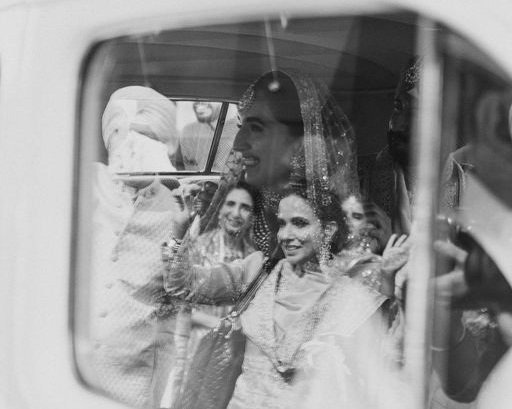
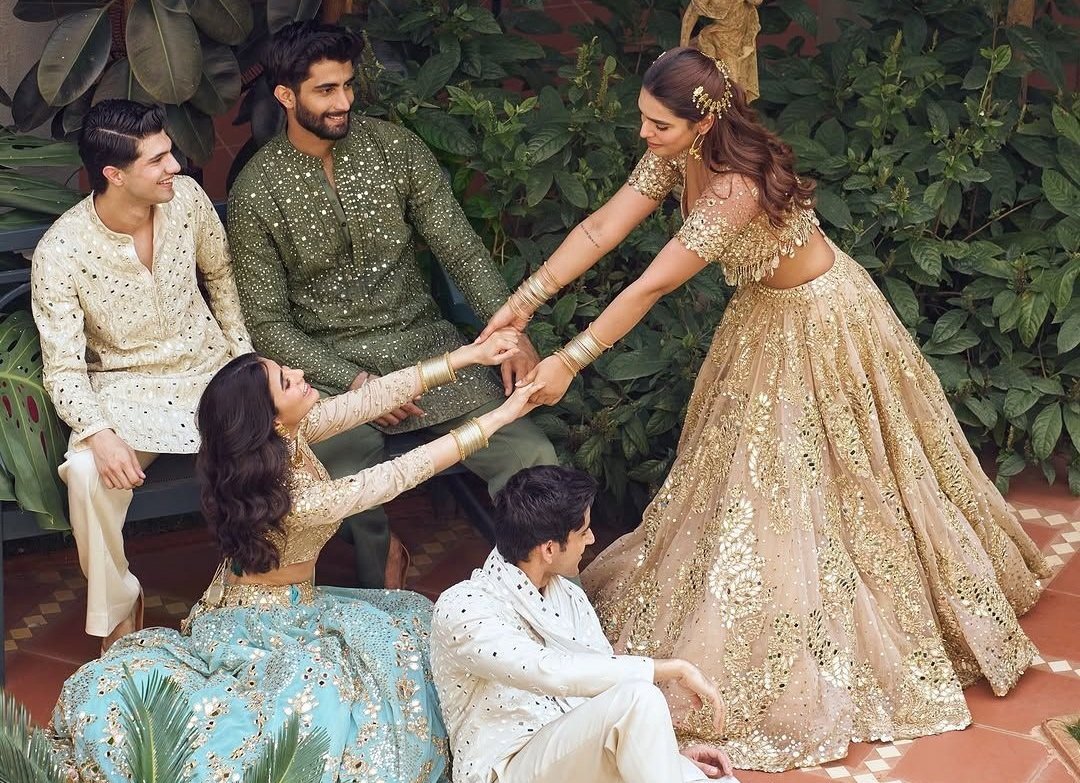
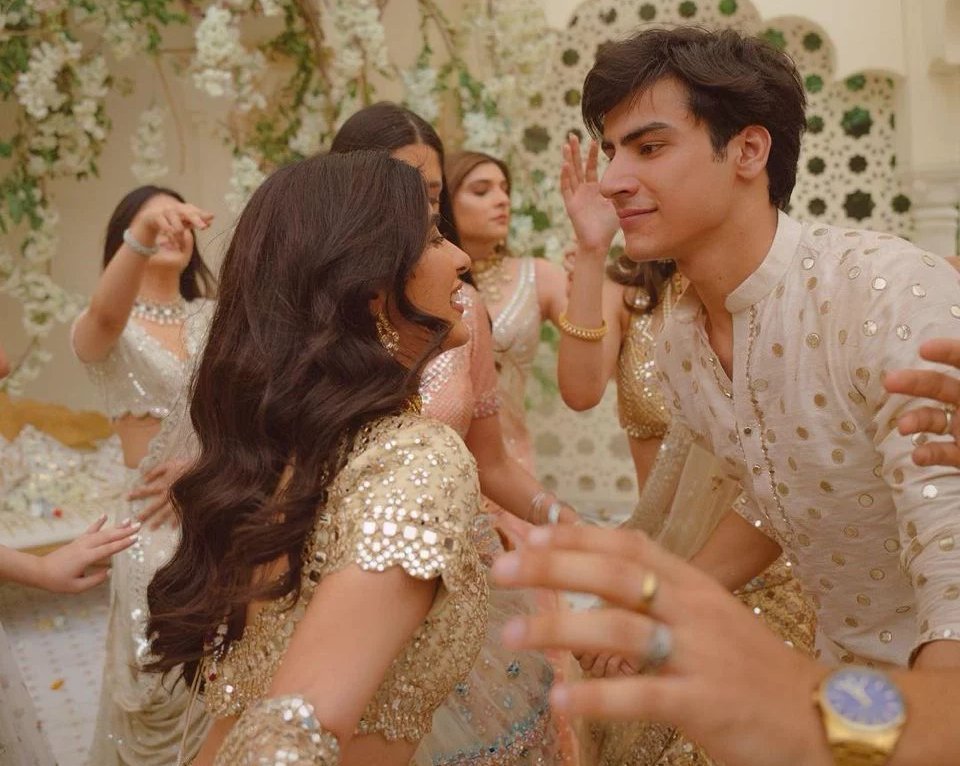
Meanwhile, "traditional" has somehow become a slur. Brides whisper it like it's something to apologize for. It isn't. Traditional photography is what made sure your parents and grandparents have albums you can actually find people in.
So before you spend ₹80,000 to ₹6 lakh on the most photographed day of your life, let's clear up what these words actually mean - and which style (or which mix) suits your wedding.
What "candid" actually means
Candid wedding photography is unposed. The photographer documents what's happening - your father wiping his eyes during the bidaai, your dadi laughing at a joke nobody else heard, the moment you realize the pheras are over and you're married.
Good candid photographers are essentially photojournalists. They anticipate moments. They position themselves before something happens. They shoot fast, in low light, with one eye on the action and the other on the next thing that's about to unfold.
What candid is not: a posed photo where someone says "look natural." That's posed photography pretending to be candid. The difference matters.
What "traditional" actually means
Traditional wedding photography is intentional, posed, and formal. The bride, groom, and family are arranged. Everyone looks at the camera. The lighting is set up. The composition is symmetrical. The photos are sharp, well-lit, and predictable - which is exactly the point.
This is the photography your parents grew up with. It's also the photography that gives you the family group shots you'll print and frame.
Traditional photographers tend to be technically precise - they know how to balance flash, manage a 40-person group photo without one person blinking, and produce print-quality images straight out of the camera.
Why the candid vs traditional debate even exists
Twenty years ago, traditional was the default and candid was rare. Today it's flipped - every couple wants candid, and traditional has become the thing the older relatives ask for after the fact.
The truth is most weddings need both. A purely candid wedding leaves you with zero clean family portraits - and your mother will ask. A purely traditional wedding gives you a beautiful album but none of the emotion that made the day matter.
So the real question isn't candid vs traditional. It's what ratio of the two suits your wedding, your family, and your budget.
The visual difference, in plain terms
Element Candid Traditional
Posing None - captured as it happens Fully posed and arranged
Lighting Available light, sometimes off-camera flash Studio-style flash setups
Composition Asymmetric, in-the-moment Symmetric, formal
Editing Filmic, moody, color-graded Bright, clean, sharp
Album feel A story you re-read A record you reference
Best at capturing Emotion, atmosphere, small moments Family, formal portraits, the bride's full look
When candid is the right call
Choose mostly-candid coverage if:
Your wedding is emotional, not ceremonial first. If your priority is the bidaai, the haldi laughter, the sangeet, and your friends crying during the vidaai - candid will outperform traditional every time.
You have a small to mid-sized wedding (under 400 guests). Candid thrives when the photographer can move freely, get close, and stay unobtrusive.
Your aesthetic is editorial or magazine-style. If your Pinterest is mostly Vogue weddings and Sabyasachi campaign shoots, you want candid + cinematic.
You've planned an intimate destination wedding. The natural settings (palaces, beaches, gardens) carry the visual weight - your photos just need to capture the feeling, not stage it.
When traditional is the right call
Choose mostly-traditional coverage if:
Family group photos matter more than individual moments. Big joint families, multiple generations, relatives who flew in for one day - traditional is how you make sure everyone is in at least one beautiful frame.
You have a 500+ guest wedding. Candid photographers can't keep up at scale. A skilled traditional photographer can run a 40-person family portrait in 8 minutes flat.
Your parents are paying. Be honest about this. If your mother's vision of the album is what she grew up with, fighting her on it will sour the entire wedding planning process. Hire traditional. Add a candid shooter on the side.
You're getting married in a traditional setup (temple, kalyana mandapam). The formal architecture lends itself to formal compositions. Trying to shoot a Kanjeevaram bride candid-style in a 6 AM muhurtham rarely works.